







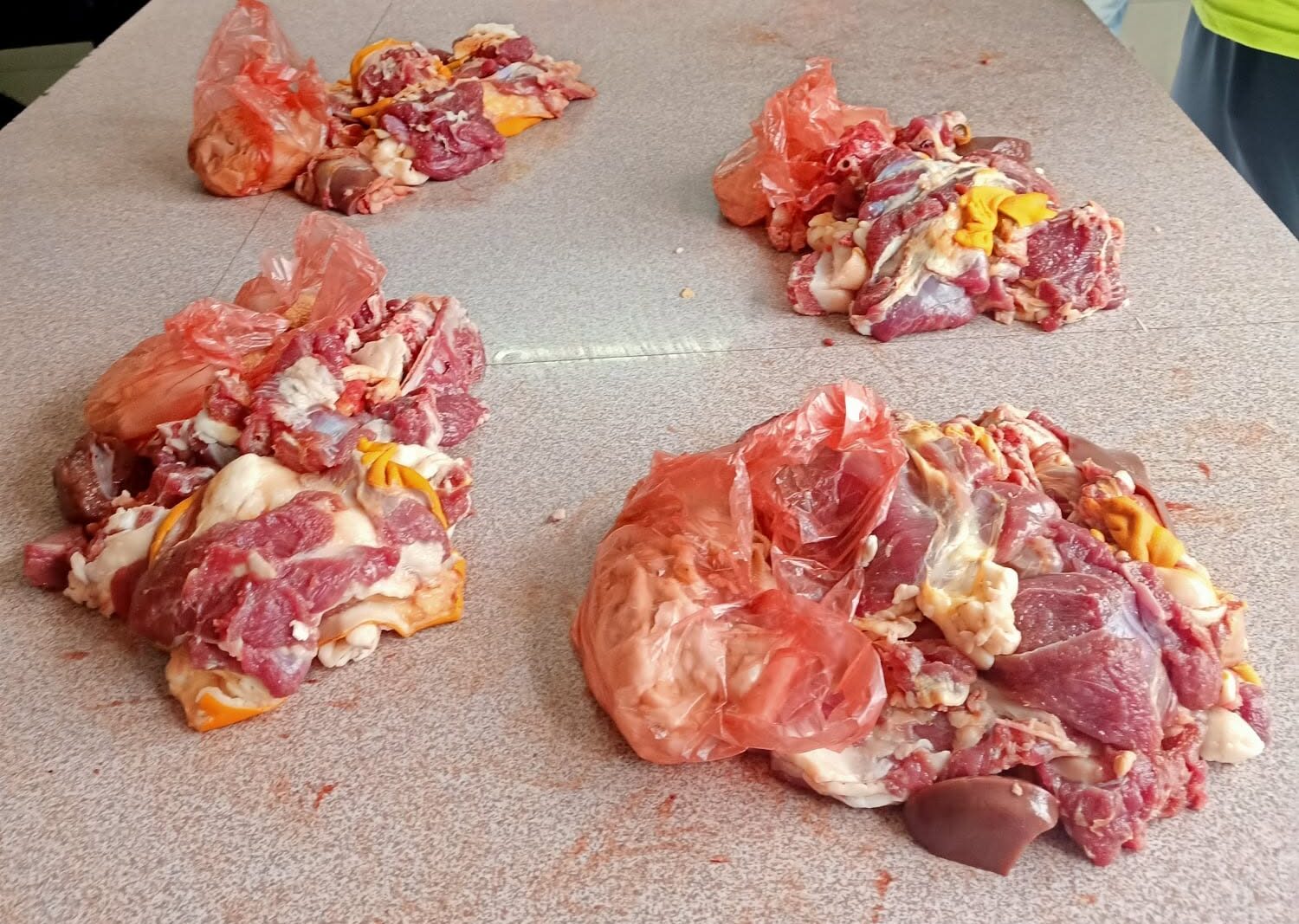
Kathmandu, Nov 17: Nepal’s long dormant Animal Slaughterhouse and Meat Inspection Act, 2055 BS, has come into force from November 17 (Mangsir 1), bringing the production, processing, transportation and sale of meat under a formal regulatory system.
The government has begun enforcing the law in all 21 local governments across Kathmandu, Lalitpur and Bhaktapur districts. The Department of Livestock Services has deployed eight senior technical officials and formed 13 task forces to oversee implementation.
Under the new rules, animals must undergo health checks before slaughter, while meat must be inspected for hygiene and safety after slaughter. Only meat carrying an official inspection stamp can be sold.
Department Director General Dr Umesh Dahal said stamped meat was already available at three slaughterhouses and their outlets from Monday, although it would take some time for the system to cover all retail shops across the Valley.
The department said the rules would not drive small meat traders out of business. Retailers can continue selling meat from their own shops after having animals slaughtered and inspected at designated facilities in coordination with local governments. However, the practice of slaughtering animals haphazardly along roadsides and outside shops will gradually be restricted.
The eight senior officials have been assigned responsibilities across the three districts, while the 13 task forces will provide technical assistance, policy advice and training to local governments. They will also map all slaughterhouses, slaughter sites and meat shops in the Valley and create a database to identify facilities that meet the minimum standards or can be upgraded.
Enacted in 1998, the law had remained largely unimplemented for nearly 28 years despite the introduction of its regulations in 2000. Previous attempts to enforce it in cities including Hetauda, Surkhet and Butwal failed.
Dahal said the department had identified a lack of public awareness and a shortage of qualified personnel among the main reasons for past failures. At the time, Nepal had only around 150 veterinarians nationwide. The number has now increased to more than 2,200 in the government and private sectors, while the department has deployed veterinary doctors in around 200 local governments.
The government has opted for a phased rollout rather than nationwide enforcement at once. After starting in the Kathmandu Valley, the law will be extended across Bagmati Province from January 15 (Magh 1). It is scheduled to cover all 77 districts from July 17 (Shrawan 1) next year.
The department has also clarified that the law will not interfere with religious practices, festivals, traditional rituals or animals slaughtered for personal consumption. It applies specifically to commercial meat production and sales. People can slaughter animals at home for personal use or religious offerings. However, slaughtering animals in the middle of roads and leaving blood and waste in public spaces will not be permitted, even during festivals.
People’s News Monitoring Service

Login to add a comment