







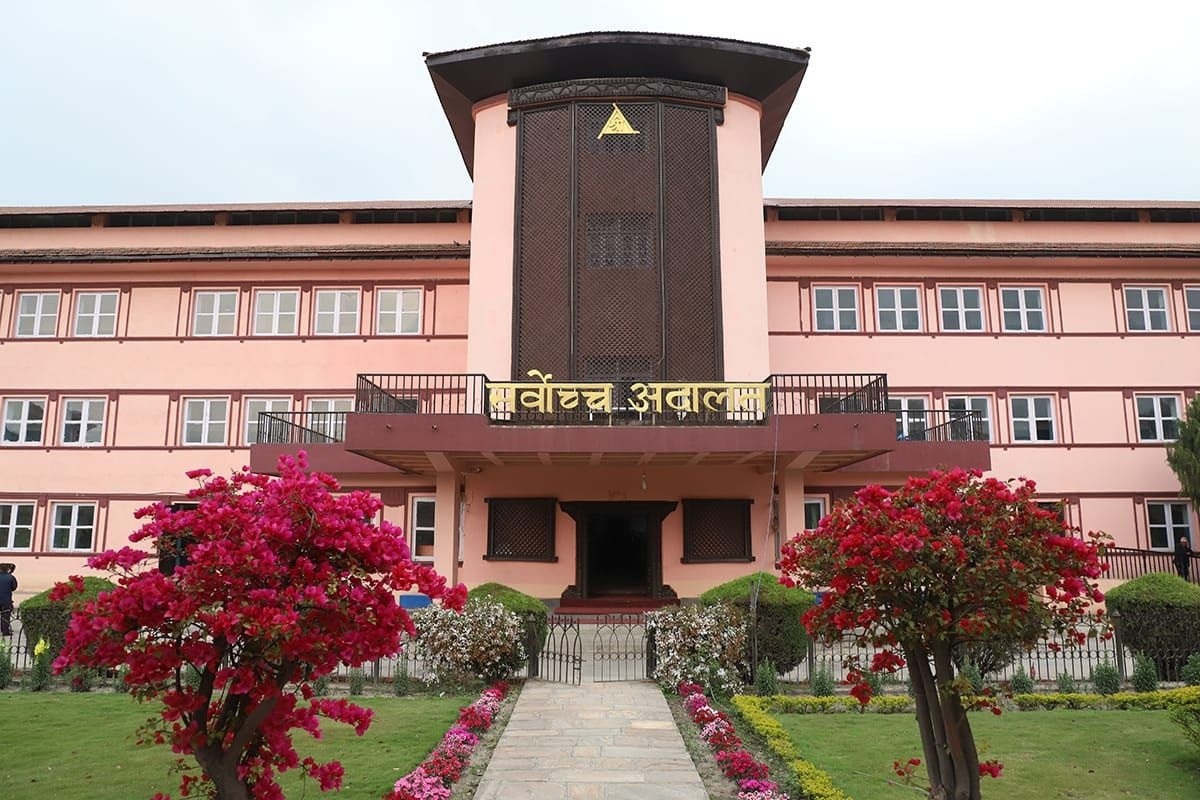
Kathmandu, March 11: The Judicial Council has submitted the names of six Supreme Court justices to the Constitutional Council for consideration as the next chief justice. The move comes ahead of Chief Justice Prakash Man Singh Raut’s retirement on April 1, 2026, when he reaches the constitutional age limit of 65.
The candidates include the senior-most Justice Sapana Pradhan Malla, followed by Justices Kumar Regmi, Hari Prasad Phuyal, Dr Manoj Kumar Sharma, Dr Nahakul Subedi, and Til Prasad Shrestha. A senior council source said the roster was sent to the Constitutional Council on February 28, before the election period began.
Each nominee’s file contains details on qualifications, professional background, experience, and service record, along with the dates of appointment and retirement.
The Constitutional Council, chaired by the prime minister, will review the roster and recommend a single name for the post. The recommended candidate will then face a parliamentary hearing in the Federal Parliament.
After the name reaches parliament, the hearing committee invites public complaints and begins its review. Only after the committee endorses the nominee can the president appoint the new chief justice.
Because the hearing and approval process takes time, the Judicial Council usually forwards the roster about a month before the incumbent chief justice retires.
By seniority, Justice Sapana Pradhan Malla leads the list. Regmi, Phuyal, Sharma, Subedi, and Shrestha follow her.
The Constitution defines eligibility for the position. Article 129 states that a person who has served at least three years as a Supreme Court justice qualifies for appointment as chief justice.
To be appointed to the Supreme Court, the Constitution requires a law degree and specific professional experience. Eligible candidates include those who have served at least five years as a High Court chief judge or judge, practised law for fifteen years as an advocate or senior advocate, worked for fifteen years in the field of law or justice with recognition as a jurist, or served twelve years or more in a senior position in the judicial service.
Even though the constitution sets a timeline, the process rarely follows it. Article 284 requires the Constitutional Council to recommend a chief justice at least one month before the position becomes vacant.
In practice, that rule has not been observed. Since the constitution came into effect in 2015, seven chief justices have been appointed, from Sushila Karki to Prakash Man Singh Raut. None were recommended a month in advance.
Both the Constitution and the Judicial Council Act require timely recommendations. The Supreme Court also issued an order in September 2024 directing the Judicial Council and the Constitutional Council to make recommendations before vacancies occur. Still, the appointment process continues to fall behind the statutory timeline.
People’s News Monitoring Service

Login to add a comment