







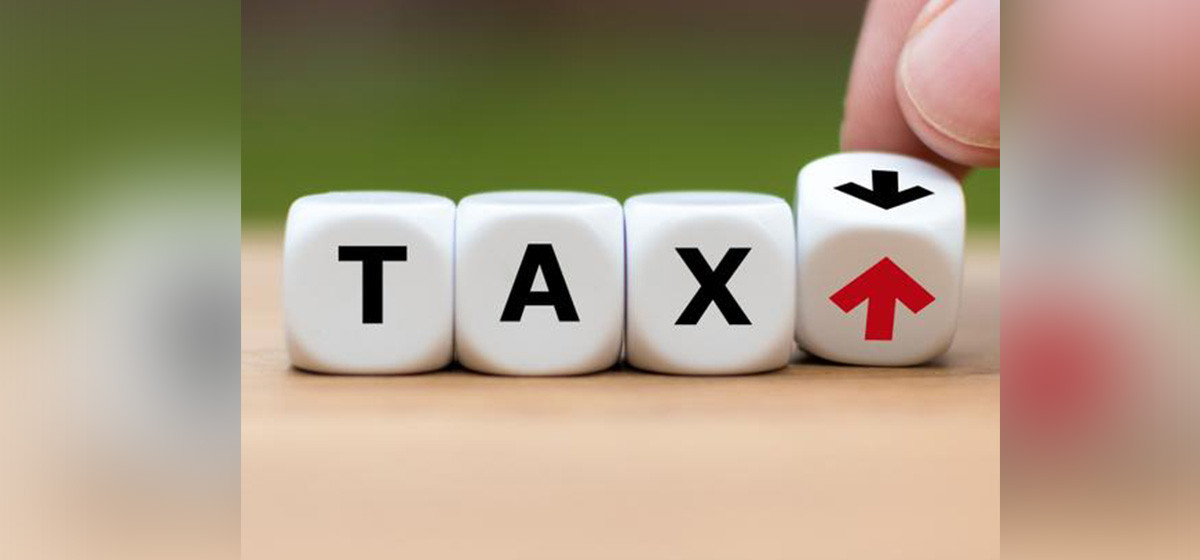
Kathmandu, July 17: Households across Nepal will begin paying more for a range of everyday goods and services from today as the government rolls out a series of new tax measures with the start of the new fiscal year.
The revised tax regime widens the government’s revenue base by bringing seven sectors under higher taxes or fees, including private education, healthcare, electricity, gold and silver, ride sharing services, casinos, and luxury hospitality.
While the government says the changes are necessary to strengthen state revenue, the immediate impact will be felt by consumers. Families relying on private schools and hospitals, households with higher electricity use and users of ride-sharing services are among those expected to see their monthly expenses rise.
The new taxes are expected to hit middle-class households the hardest. Parents with children in private schools, patients seeking treatment at private hospitals, families consuming more than 50 units of electricity and regular users of ride-sharing services are likely to face higher monthly bills.
Consumers buying gold and silver, staying at luxury hotels or purchasing imported liquor will also pay more. Although casino operators are directly responsible for the higher royalty, industry observers say some of the additional cost could eventually be passed on to customers.
Private school fees
Private schools are now required to charge a 3 per cent tax on tuition and other student fees.
If schools pass the entire cost on to parents, a family paying Rs 10,000 a month in tuition will pay an additional Rs 300.
Healthcare costs rise:
Treatment at private hospitals and health institutions has also become more expensive following the introduction of a 3 per cent tax.
A patient with a hospital bill of Rs 100,000, for example, will now pay an extra Rs 3,000. Health experts have warned that the move could further increase the financial burden on patients.
Gold, silver buyers pay more
The government has raised the tax on purchases of gold, silver and jewellery by 0.5 per cent.
The increase is expected to push up costs for consumers buying precious metals for weddings, festivals and investment, while traders fear it could soften demand.
Casino operators face higher royalties
Casino operators will now pay an annual royalty of Rs 30 million, double the previous Rs 15 million.
Although the tax is aimed at casino businesses, operators could eventually recover part of the additional cost through higher service charges.
VAT on electricity above 50 units
Households and businesses consuming more than 50 units of electricity a month will now pay a 5 per cent value-added tax on electricity charges above that level.
Consumers using 50 units or less remain exempt, but the measure is expected to increase bills for many urban households, businesses and industries.
Ride-sharing services taxed
Ride-sharing companies are now subject to a 5 per cent service charge.
The additional levy could translate into higher fares for passengers or lower earnings for drivers, depending on how companies adjust their pricing.
Luxury hospitality and imported liquor get costlier
A new 2 per cent levy has been imposed on five-star hotels, luxury resorts and imported alcoholic beverages.
The higher charge is expected to affect affluent consumers, tourists and hospitality businesses, which say the measure will add to operating costs.
People’s News Monitoring Service

Login to add a comment