







By Our Political Commentator
The September 8–9 Gen Z protest was a loud call against corruption, but the theft and burning of case files during the chaos raise disturbing questions. The protest began as a public outcry for accountability, yet some actors appear to have exploited the unrest for their own benefit. The selective disappearance of files related to the Tax Settlement Commission corruption case, Swarnalaxmi Cooperative fraud, and Tinkune violence is unlikely to be a coincidence. In each instance, only sensitive cases were touched, while most other files remained intact.
The Tax Settlement Commission case is a high-profile one, implicating powerful figures and involving billions in revenue losses. Its disappearance from the Special Government Attorney’s Office, just after the Supreme Court had ordered a retrial, suggests a deliberate attempt to derail justice. Similarly, the Swarnalaxmi Cooperative case, with its link to a former home minister, and the Tinkune violence case, connected to influential individuals, were not random choices. Targeting these specific files during a time of protest implies planning and motive, not opportunistic vandalism.
What makes this episode more troubling is its potential to undermine the credibility of the Gen Z movement itself. The protests had a legitimate cause, rooted in frustration over systemic corruption and impunity. But the burning of court buildings, theft of files, and even the jailbreak give opponents of the movement ammunition to portray it as lawless. This is a familiar pattern in Nepal’s politics, where genuine public anger is often hijacked by groups seeking to settle scores or erase legal liabilities.
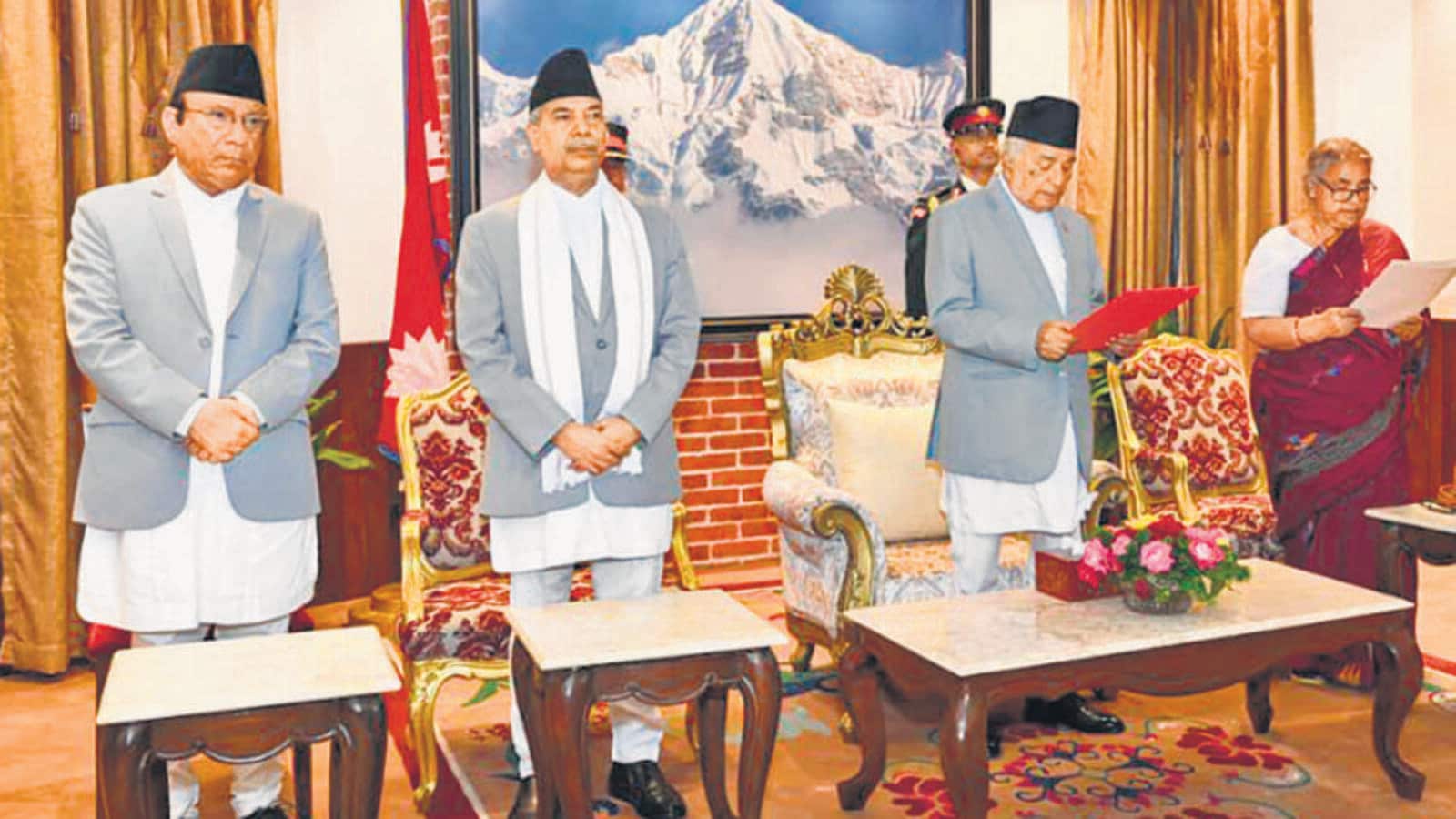
The government now faces a test of will. Prime Minister Sushila Karki has pledged to restore order and conduct free elections, but this incident demands a more immediate response. Finding who orchestrated the theft is not just about recovering files but about showing that state institutions can defend themselves even in moments of crisis. If those responsible are not held to account, the message will be clear: political power and street violence remain stronger than the rule of law.
For many citizens, the missing files are more than paperwork. They represent hopes that those accused of corruption or abuse will face justice. Losing them risks reinforcing the very cynicism that fueled the protests in the first place. The coming weeks will show whether the state can separate legitimate dissent from criminal exploitation and safeguard the integrity of the legal process. If it fails, the protests may only intensify, with public trust eroding further.

Login to add a comment