








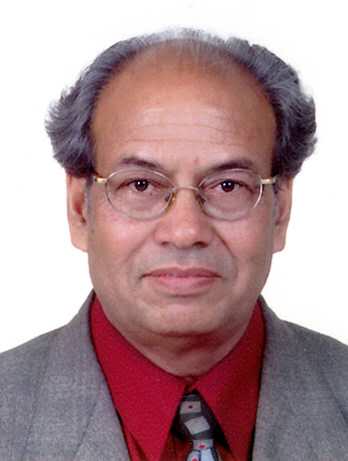
By Narayan Prasad Mishra
Since the establishment of the Republic of Nepal, governments—whether formed by a single party or a coalition—have consistently spoken proudly about the “outstanding achievement” of the present Constitution and political system. They have also claimed “unimaginable development” in the country. On the other hand, opposition parties have consistently pointed to the decline of Nepal in nearly every aspect—prestige, international relations, economy, education, health, and more—blaming the self-serving nature of those in power.
Leaving aside such political rhetoric, we, the people of Nepal, are fully aware that our country is not moving forward but instead sliding downhill each day. As the Nepali proverb says, only the one who wears the shoe knows where it pinches (जुत्ताको घोचाई जुत्ता लाउनुलेलाई मात्र थाहा हुन्छ). The majority of citizens live in poverty, struggling to access even safe and adequate food, medicine, and shelter—the most basic human necessity. Nearly one-third of our people are toiling abroad, begging for jobs to support their families. Meanwhile, another large section of our population is crying out for justice, seeking to recover their stolen money from cooperative looters tied to political parties. The Fake Bhutanese Refugee Scam is not just an example of corruption—it has become a global embarrassment for Nepal. What more proof is needed than this?
On August 24, 2025, newspapers reported that a high-level committee, chaired by the Prime Minister, had been formed to celebrate the tenth anniversary of Constitution Day on a grand scale. No doubt the beneficiary political parties will present a rosy picture of development, backed by artificial statistics about their supposed achievements for the poor. We have seen this before on every celebratory occasion—it comes and goes without meaningful gain. If they are honest and truly want to make the annual celebration day fruitful and beneficial, they should evaluate their strengths and weaknesses, review the achievements and failures of past years, and prepare a program to achieve their goals in the days ahead. They should refrain from presenting hollow reports based on lies and concealment.
But this time, I believe they could make the celebration memorable by announcing concrete plans and programs, with a clear timetable, to address corruption scandals and scams long exposed by the media and discussed by ordinary Nepalis in the streets. These include the aircraft procurement scam, land scam, billing scam, and cooperative scam, among others—Lauda, Giribandhu, Telecom, Electricity, and more. Taking real action against these scandals would leave an unforgettable mark on the anniversary. Similarly, if the government could present a genuine job-creation plan to bring our people back from foreign lands, it would be an achievement worth celebrating.
Equally important would be an action plan—again, with a fixed timetable—to deliver justice to the 7.5 million cooperative victims, where will, determination, and action are enough to carry it forward without any financial burden on the part of the government. That would be a historic milestone for the nation.

I have repeatedly pointed out in several of my articles that the Cooperative Corruption Scam is not a legal grey area; it is a clear case of fraud. Depositors placed their trust in government-registered organizations. Records exist, and depositors hold receipts and statements. The facts are undeniable. If the government wishes to act as a responsible authority, it must ensure justice without delay—by compelling the cooperative looters to return the money immediately, or by confiscating their properties (land, houses, jewelry, hidden cash) to compensate victims. If necessary, the government can even introduce new laws or rules to resolve this crisis on a war footing. The government’s inability to deliver justice to the cooperative victims has already exposed its non-functional, ugly face to the world.
In this context, I am more surprised by the way Rabi Lamichhane has been treated. He may indeed be implicated, as reported, but he is only one among thousands involved. Yet he has been singled out as if he alone were responsible for defrauding 7.5 million cooperative victims. I believe this is the reason he became a center of love and sympathy for millions of people in the country, who came forward to sign their petition for justice, keeping aside his wrongdoings.
The government, political parties and parliament must focus on their primary duty: delivering justice to cooperative victims, punishing all those responsible for the countless scams—including the many linked to the parties in government—and ensuring victims recover their money without delay, rather than wasting time targeting a single individual.
I sincerely hope the Constitution Day Celebration Committee will give thoughtful and serious consideration to these matters. For the time being, the ability to curb malfeasance alone would constitute a significant achievement for the nation—perhaps more meaningful than many other undertakings

Login to add a comment