







By P.R. Pradhan
There was only a 61 per cent turnout in the 20 November elections. No enthusiasm was seen among the voters as they were fading up from the political leaders who always deceived the voters. Considering the voting pattern in the 20 November elections, it is expected that there will be a hung parliament. Nepali Congress is likely to become the largest party, whereas, UML is likely to become the second largest party. Maoist Center may become the third-largest party but the size will be reduced compared to the previous size of the party in Parliament. The Maoist party has been swept away from the urban areas. Surprisingly, National Independent Party is going to show its presence in Parliament. Rastriya Prajatantra Party may improve its position and emerge as the national party. Moreover, the Janamat Party and the Nagarik Uthhan Party may show their presence in Parliament, whereas, Unified Socialist Party, Janata Samajwadi Party and Loktantrik Samajwadi Party are likely to lose their previous strength in Parliament.
Loktantra rejected:
Despite forging a ruling alliance among the five parties, the voters didn’t accept the political syndicate, bhagbanda politics and daylight loot by the political leaders.
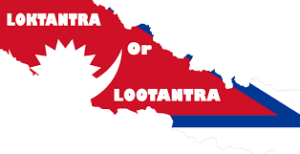
They have bluntly rejected the present political system, which is called “loktantra” popularly known as “loot-tantra”. The voters have sent a strong message for political change, the end of corruption and the establishment of rule of law.
Dawn of NIP:
It has just been five months since the National Independent Party, aka Rastriya Swatantra Party has born, and it has surprisingly attracted the vote of frustrated youths, especially in the urban areas.
Some have suspected that the European Union is the godfather of this newly-born party. They have even blamed the party has emerged overnight with the support of the Christian community in Nepal. Nevertheless, it is too early to blame, however, it is testing time for this newly born party.
RPP still behind:
In a country having above 90 per cent of the population with Hindu belief and the majority of the population favouring constitutional monarchy, RPP was unable to attract the voters as expected. Division among the Hindu communities and pro-monarchy people divided into small groups is the main reason for remaining behind in the race.
In the Kathmandu 2 electoral constituency, former journalist and veteran intellectual campaigning against corruption and bad governance, Rabindra Mishra has defeated just by 125 votes against Prakashman Singh, known to be an opportunist and unpopular NC leader. It is because other candidates carrying similar agendas to Mishra were also in the election race.
They stopped Mishra from becoming a member of parliament this time despite full support from the intellectual community in his constituency.
Nevertheless, hopes are there that RPP will increase its number and emerge as a national party.
Maybe, there could be a foreign conspiracy on the emergence of the new political party overnight when the foreigners saw frustrated people seeing the naked dance of those established parties could vote for RPP carrying strong patriotic agendas.

Login to add a comment