







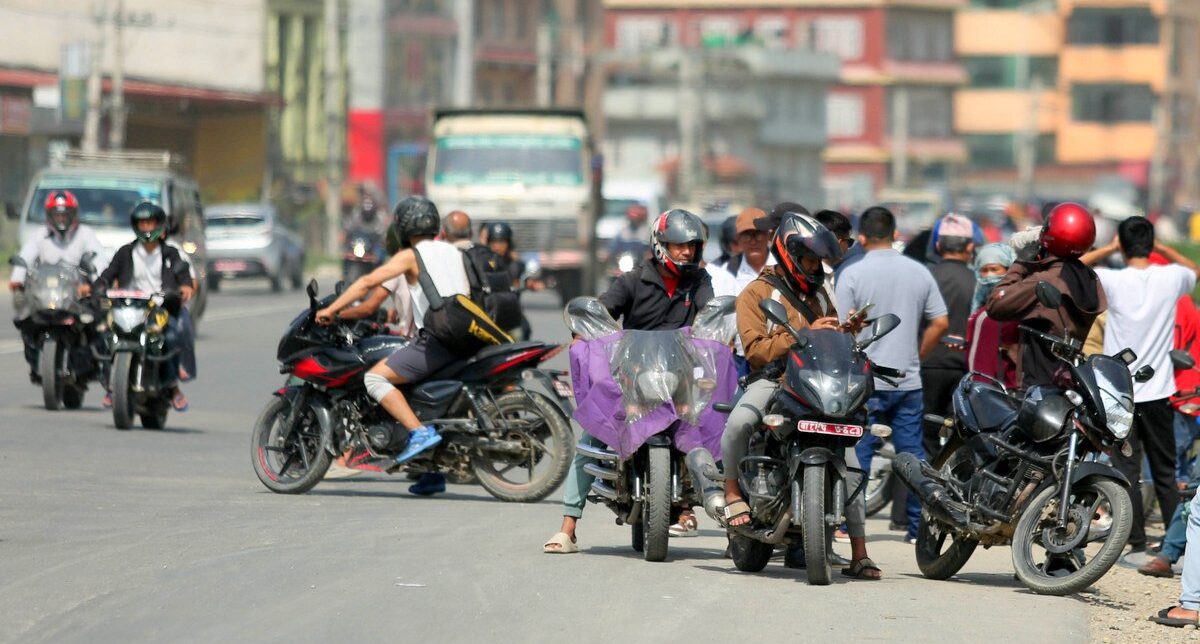
Kathmandu, Nov 27: Ride-sharing platforms entered Nepal as an alternative to the capital’s chaotic public transport system. They are now facing allegations of exploiting both passengers and riders.
Recent reports revealed that companies such as Pathao, Yango and inDrive were charging passengers fares 300 to 400 per cent higher than usual during bad weather, late nights and peak commuting hours, using dynamic pricing to profit from passengers’ limited options.
Following the reports, the Ministry of Industry, Commerce and Supplies directed major ride-sharing companies, through the Department of Commerce, Supplies and Consumer Protection, to submit details within seven days on their fare-setting systems, service charges, commissions, surge pricing and complaint handling mechanisms.
However, the exploitation extends beyond passengers. Thousands of riders who spend long hours navigating traffic, dust and pollution are also struggling under the companies’ policies.
When the platforms entered Nepal, they promised unemployed youths an opportunity to earn a living through flexible work. Thousands of young people, students and migrant workers returning from overseas employment took loans or used their savings to buy motorcycles, scooters and taxis and join the platforms. The promise was that switching on a mobile app would provide a decent income and allow them to work on their own schedules.
Passengers paying high fares may assume riders are earning well. The reality, however, is quite different.
Interviews with 10 active riders working through Pathao, Yango and inDrive on various routes in the Kathmandu Valley revealed widespread dissatisfaction. Their identities have been withheld because they fear companies could retaliate by permanently deactivating their accounts.
No scientific fare system
In public transport, fares are generally set using factors such as fuel prices, vehicle maintenance costs, drivers’ wages and inflation. Nepal’s ride-sharing companies, however, have yet to introduce any standardised fare-setting mechanism.
Instead, competition to capture the market has pushed riders’ earnings down. Companies appear to lower fares to attract passengers while protecting their own commissions and profits, leaving riders to bear the cost.
“Fuel prices have soared, while the costs of spare parts, engine oil, tyres and regular servicing have doubled. Living costs in Kathmandu have become unbearable,” one rider said. “Even after driving continuously for 12 to 14 hours, from morning until late at night, I sometimes cannot earn enough to cover fuel and basic maintenance.”
While companies expand their networks by promoting cheap rides, riders say they are being forced to shoulder much of the financial burden.
People’s News Monitoring Service

Login to add a comment