







Kathmandu, Oct 31: Nepal Police faced widespread criticism on Friday after detaining journalists from several media outlets over reports about alleged links between Inspector General of Police (IGP) Dan Bahadur Karki and middleman Inam Sapkota.
The action came a day after police headquarters issued a statement warning of investigations and legal action against those allegedly spreading misleading information about the police leadership and organisation.
The statement, issued by police spokesperson Abi Narayan Kafle, accused some individuals of deliberately circulating misinformation to damage the police’s reputation and drag the security agency into political controversy.
Media outlets had reported alleged connections between Sapkota, currently in police custody, and IGP Karki. Reports also linked the controversy to an alleged demand by Prime Minister Balendra Shah’s secretariat for the IGP’s resignation. WhatsApp screenshots purportedly showing Sapkota’s conversations with high-profile individuals, including judges, had also circulated widely.
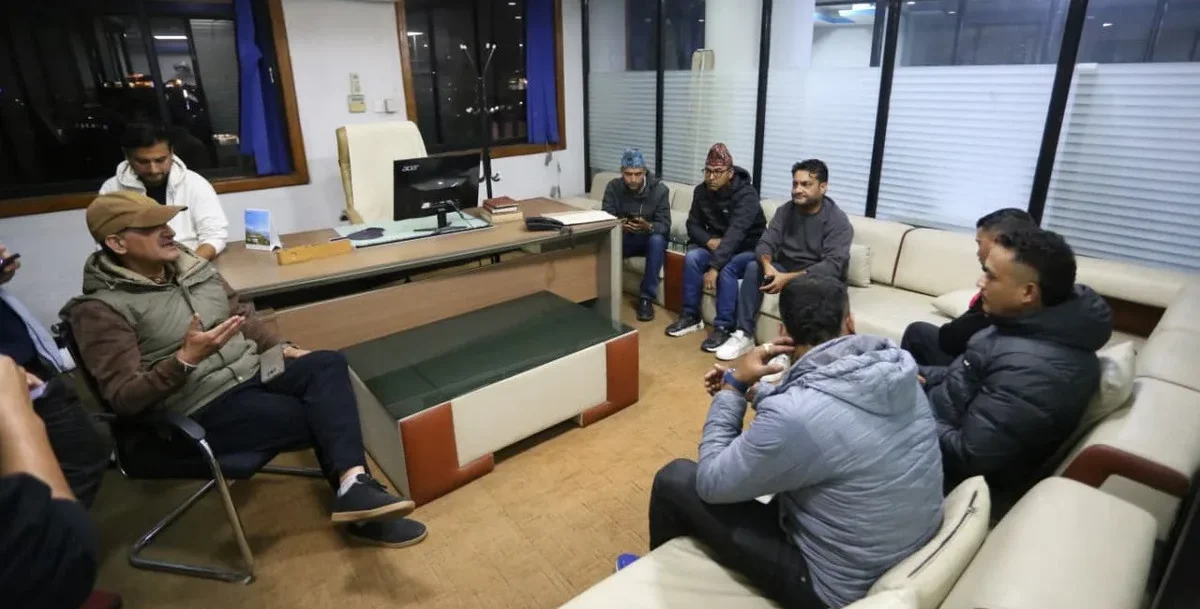
Police detained journalists, including Bishwamani Subedi, from three media outlets and attempted to arrest others. Those targeted had reported on Sapkota’s alleged connections with the IGP and judges.
The arrests raised questions about who ordered the operation. A police team that went to Naya Patrika’s office to detain journalist Nawaraj Mainali said it was acting on orders from higher authorities but refused to identify the person who issued the instructions. The team had no arrest warrant. Following objections from newsroom staff, it returned empty-handed, asking Mainali to report to the Cyber Bureau on Saturday. The other detained journalists were also released.
Prime Minister’s press and research adviser Deepa Dahal said Prime Minister Shah, his secretariat and the Prime Minister’s Office was not involved in the arrests. She said the prime minister immediately instructed authorities to release the journalists and prevent police from entering newsrooms or taking coercive action against media workers.
Communications Minister Bikram Timalsina also confirmed their release and reiterated the government’s commitment to press freedom.
Police sources, however, offered a different account. A senior source claimed that Prime Minister’s chief adviser Kumar Ben telephoned IGP Karki on Thursday morning and instructed him to arrest the journalists. Nepal Press and Naya Patrika were reportedly the main targets.
Some police officials had opposed the arrests, fearing public backlash, but pressure from the Prime Minister’s Office allegedly led to the operation.
Sources also claimed that Home Minister Sudan Gurung and IGP Karki disagreed over the arrests. Their initial telephone conversation reportedly became heated after Karki warned of possible protests. The two held several discussions throughout Thursday and reached an understanding to release the journalists following their final conversation at around 5:15 pm. All those detained were released later that night.
The conflicting accounts have raised questions about the chain of command behind the arrests and the subsequent decision to release the journalists.
People’s News Monitoring Service

Login to add a comment