








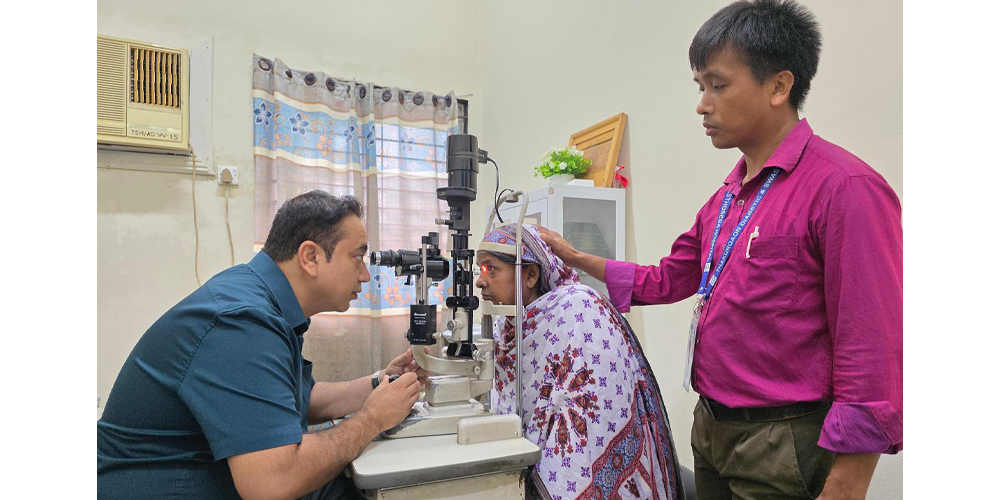
KATHMANDU: Nepal earned more than Rs 1.5 billion in foreign currency from treating international eye patients in the fiscal year 2025/26, highlighting the growing potential of the country’s eye care services as a source of medical tourism revenue.
Hospitals and eye care centres affiliated with the Nepal Netra Jyoti Sangh treated foreign patients worth more than Rs 1.5 billion during the fiscal year 2025/26, according to CA Devaraj Pant, the organisation’s chief financial officer.
“This is not merely an economic figure. It reflects the growing international confidence in Nepal’s healthcare services,” Pant said, adding that revenue from foreign patients had opened up new economic opportunities for the country.
Most foreign patients come from India, followed by Bangladesh, Bhutan and other countries. The availability of skilled eye specialists, modern equipment, quality treatment, shorter waiting periods and affordable costs has made Nepal an attractive destination for eye care, according to Dr Shailesh Kumar Mishra, executive director of the Sangh.
The organisation operates a network of 28 eye hospitals and 226 eye care centres across the country, reducing the need for patients to travel to Kathmandu or seek treatment across the border.
By the end of fiscal year 2025/26, the network had treated a total of 50,200,489 Nepali and foreign patients and performed 5,659,624 eye surgeries, Mishra said.
Foreign patients also contribute to the economy beyond hospital fees. Spending on accommodation, transport, food, medicines and local businesses can generate additional income and employment. Some patients and their families also visit religious and tourist destinations during their stay, expanding the potential benefits of medical tourism.
Founded in 1978, the Nepal Netra Jyoti Sangh has worked to reduce preventable blindness by expanding eye care services beyond major cities. Its programmes include community eye examinations, school vision screening, cataract surgery and specialist treatment.
Nepal’s blindness rate has fallen from 0.84 percent in 1981 to around 0.28 percent, according to the organisation. The country aims to reduce the rate to 0.20 percent by 2030.
Sangh General Secretary Bharat Bahadur Chand said the organisation’s primary goal remained providing quality eye care to all citizens. Expanding access while maintaining service standards could strengthen Nepal’s international reputation and increase its contribution to the national economy.
People’s News Monitoring Service

Login to add a comment