







By Our Reporter
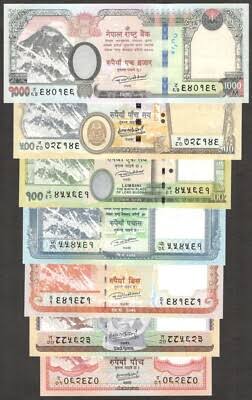
The talk of demonetization has returned to Nepal, this time from Parliament itself. Lawmakers from both the ruling side and the opposition have called for the withdrawal of Rs 500 and Rs 1,000 notes, arguing that such a drastic step could force undeclared cash into the banking system. With provincial and local elections approaching in February, another argument has entered the debate: demonetization could make it harder to use unaccounted cash to influence elections.
The idea sounds tempting. Nepal has struggled for decades with corruption, tax evasion, informal transactions and money whose source cannot easily be explained. Rastriya Swatantra Party lawmaker Yagya Mani Neupane says demonetization could expose black money accumulated over the past 35 years. Nepal Communist Party Chief Whip Yubaraj Dulal has backed the proposal. Yet Finance Minister Dr Swarnim Wagle says the government has no such plan, while Nepal Rastra Bank sees no economic justification for it.
The first question, therefore, is not whether Nepal can demonetize high denomination notes. Technically, it can. The real question is whether it should.
About 71 percent of the total value of Nepal’s currency in circulation is held in Rs 500 and Rs 1,000 notes. Withdrawing them would therefore amount to a massive intervention in everyday economic life. It would force people to deposit or exchange their cash, potentially bringing some unreported money into view. It could also temporarily disrupt cash-based election spending, informal payments and certain forms of tax evasion.
But that argument assumes that black wealth is sitting mainly in bundles of banknotes. Much of it may instead be parked in land, houses, gold, shares, cooperatives, businesses or assets abroad. Demonetization would barely touch such wealth.
India offers the clearest warning. On November 8, 2016, the Indian government abruptly withdrew Rs 500 and Rs 1,000 notes, representing around 86 percent of the currency value then in circulation. The policy was presented partly as an attack on black money. Yet about 99.3 percent of the withdrawn notes eventually returned to the banking system. Whatever other effects the measure produced, it did not uncover vast piles of unreturned cash as many supporters had expected.
The disruption, however, was immediate. People queued outside banks, cash dependent businesses struggled and workers in the informal economy faced severe difficulties. India’s experience does not prove that every demonetization must fail, but it does show how easily the costs can spread far beyond those holding illicit money.
Nepal may be even more vulnerable. Cash remains essential for farmers, daily wage earners, small traders and people in remote areas where banks, reliable internet and digital payment facilities are limited. Someone who has saved legitimate earnings in cash should not suddenly have to prove innocence simply because the state suspects that others are hiding illegal wealth.
Remittances add another layer of risk. Nepal received more than Rs 2.363 trillion in remittances during the current fiscal year. A poorly managed currency shock could weaken trust in formal financial channels and encourage some transactions through hundi. That would hurt foreign exchange inflows and could eventually put pressure on the balance of payments.
Implementation itself would be daunting. Nepal depends on foreign printers for banknotes. Replacing such a large share of currency would require planning, printing, transportation, security and nationwide banking capacity. The open border with India and the fixed exchange rate create further complications.
Could the present government still go the extra mile and order demonetization? Legally and politically, a determined government could pursue the option with Nepal Rastra Bank. But doing something dramatic is not the same as doing something effective. A government should not impose a nationwide monetary shock merely to demonstrate that it is serious about corruption.
Nepal has less disruptive weapons available. It can impose tighter limits on large cash transactions, require major purchases to pass through banks, scrutinize suspicious dealings in land, gold and cooperatives, strengthen anti money laundering enforcement, improve tax investigations and expand traceable digital payments.
Demonetization makes for a powerful political message because everyone can see it happening. Fighting black money through patient investigation, financial intelligence and enforcement attracts fewer headlines. Yet that quieter route may catch far more illicit wealth while sparing millions of ordinary Nepalis the cost of an economic experiment whose results remain deeply uncertain.

Login to add a comment