







By Our Reporter
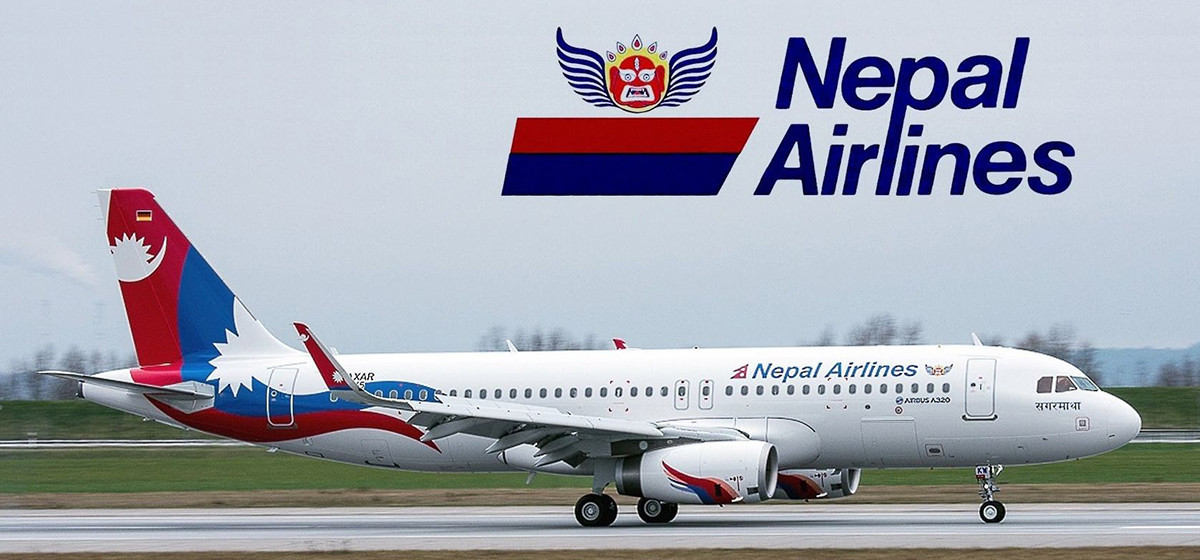
Nepal Airlines, the nation’s flag carrier, has been struggling for years, but its problems are now feeding into one another. Heavy debt is draining its finances, pilots are leaving, aircraft maintenance has become difficult and the small fleet prevents the airline from earning enough to break out of the cycle. Without major changes, Nepal risks having a national flag carrier that owns expensive aircraft but lacks the financial and human resources to use them effectively.
The numbers explain part of the problem. Nepal’s aviation market is estimated at Rs 120 billion to Rs 135 billion annually, yet Nepal Airlines generates turnover of only around Rs 18 billion. That gives the national carrier roughly 15 to 16 percent of the market. Foreign airlines take most of the remaining business, including lucrative international passenger traffic.
But simply buying more aircraft will not fix Nepal Airlines. Its existing financial structure needs attention first. The corporation borrowed heavily from the Employees Provident Fund and Citizen Investment Trust at interest rates of roughly 9.5 to 10.5 percent. Current market rates are considerably lower. Interest accumulated during the Covid period alone reportedly added more than Rs 7 billion to its liabilities.
Servicing expensive loans leaves less money for maintenance, fleet planning, staff retention and route expansion. The government, lenders and Nepal Airlines therefore need to work out a realistic debt restructuring package. Lower interest rates, longer repayment periods and a clear repayment schedule could give the corporation breathing room. Such relief, however, should come with strict financial and management reforms. Restructuring debt without restructuring the airline would merely postpone the problem.
Human resources present another warning. Five wide body captains have recently resigned over pay and benefits. Nepal Airlines cannot realistically match every salary offered by wealthier foreign carriers, but it must develop competitive packages for pilots, engineers and other technical staff. Training professionals at considerable expense only to lose them once they gain experience makes little economic sense.
Maintenance also needs fixing. Delays in overhauling Rolls Royce engines because tender requirements do not fit suppliers’ corporate policies show how rigid public procurement rules can clash with the specialised aviation business. Transparency must remain non-negotiable, but procurement procedures should recognise that aircraft engines, spare parts and technical services operate in a highly specialised global market. An aircraft sitting on the ground earns nothing while continuing to generate costs.
Fleet expansion should follow, but only through a commercially sound plan. Nepal Airlines needs to identify routes where passenger demand, tourism flows and connections can support sustainable operations. Aircraft purchases should follow that strategy, rather than political pressure or prestige.
Domestic services require a different approach. Flying to remote regions may not always be profitable, but such routes provide essential connectivity. If the government expects Nepal Airlines to operate socially necessary but loss-making routes, it should clearly compensate the carrier for that public service instead of hiding those costs inside its commercial accounts.
Above all, Nepal Airlines needs stable professional management. Numerous committees have diagnosed its problems, yet recommendations repeatedly gather dust. Frequent leadership changes and political interference make long term planning difficult.
Turning Nepal Airlines around will require debt restructuring, professional management, competitive technical staffing, smarter procurement and disciplined fleet expansion. The government must also decide what it expects the airline to be: a commercial carrier, a public service provider, or a clearly defined combination of both.
Nepal Airlines still has value as a national carrier and as part of Nepal’s tourism economy. But sentiment cannot make an airline financially sustainable. Aircraft must fly, skilled people must stay, routes must make economic sense and management must be accountable for results.

Login to add a comment