








By Our Reporter
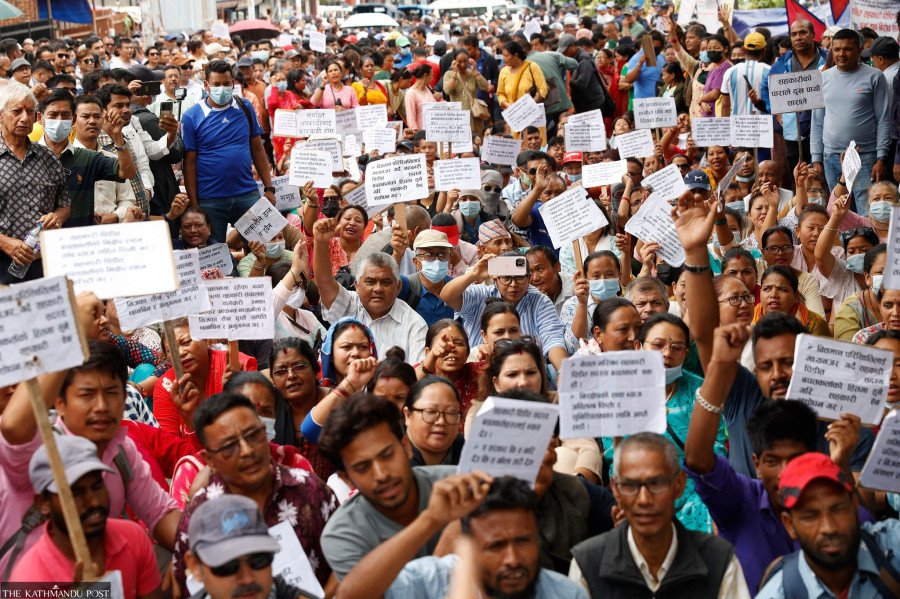
Millions of people who entrusted their savings to cooperatives are still waiting to get their money back, despite repeated government promises. Billions of rupees remain locked up, thousands of depositors have exhausted their savings and many families are struggling to meet even basic expenses. Successive governments have announced relief packages, signed agreements with victims and issued refund guidelines. Yet the gap between promises and actual payments remains wide.
The case of Delight Multipurpose Cooperative in Lalitpur shows how little protection depositors have against operators who misuse their money. Its chairman, Sher Bahadur Tamang, and managing director Ashish Tamang allegedly fled after securing release on bail by handing a depositor a cheque for Rs 2.5 million.
The cheque bounced, and the district court issued arrest warrants against both. Nearly a year after another depositor, Radha Pathak, won a court verdict in her favour, she has still not recovered her savings. The cooperative’s office, barely 150 metres from the district police office, remains locked.
Such cases expose a serious failure of regulation and law enforcement. Nepal once had 34,512 registered cooperatives, including more than 24,000 savings and credit cooperatives, with over six million members. The sector was estimated to contribute 5 to 7 percent of the country’s GDP. Poor supervision, weak financial management and misuse of deposits allowed the crisis to spread, particularly after the real estate market slowed between 2021 and 2023. Authorities had years to identify warning signs, but their failure to act allowed the problem to grow into a nationwide crisis.
The government’s response has been slow and fragmented. Although 23 cooperatives have been formally classified as problematic, thousands of depositors associated with other troubled institutions remain outside the official relief programme.
The Bagmati Province Cooperative Registrar’s Office says it has recommended only five cooperatives for formal classification, while other applications are still being processed or returned for incomplete documentation. For victims, such administrative procedures mean more waiting, more visits to government offices and little certainty about recovering their money.
The revolving relief fund offers some hope, but its capacity falls far short of the liabilities. The government has contributed Rs 250 million and cooperative operators another Rs 400 million, bringing the fund to Rs 650 million. Under the 2026/27 budget, the government promised to refund deposits of up to Rs 500,000.
Yet around 76,000 depositors under the Problematic Cooperative Management Committee are owed nearly Rs 46 billion. Only about 11,000 have received full or partial payments. The committee says Rs 710 million has been distributed to depositors of several cooperatives.
Prioritising small depositors, senior citizens, single women, people with disabilities and seriously ill victims is understandable. Many have no other source of income or financial support. But prioritisation cannot become an excuse for indefinite delays. Some depositors who lost hundreds of thousands or millions of rupees have received only Rs 5,000. For people who saved over decades, such payments offer little relief.
The government says it will replenish the fund by recovering loans and selling cooperative assets. That is easier said than done. Borrowers must be identified, assets traced and legal proceedings completed. Absconding operators must be arrested, while properties transferred to relatives or associates must be investigated. Dedicated police desks and special court benches could speed up proceedings, but announcements alone will not return the money.

Login to add a comment