








By Our Reporter
The arrest of journalists by Nepal Police over news reports has raised an alarming question: Who ordered the police to go after the press, and why? The incident has exposed the government’s uneasy relationship with press freedom and raised serious doubts about its commitment to constitutional rights.
Sending police officers into newsrooms to detain journalists over their reporting is an act that deserves the strongest condemnation. The fact that those arrested were later released does little to undo the damage. It is said that the main advisor to the Prime Minister, Kumar Ben, is targeting 28 journalists who have been writing against the current administration. He along with PM Shah has been angry over the media reporting concerning the middleman, Inam Sapkota, who is currently in jail after police found his connection with former and current judges, middlemen, businessmen and politicians
The timing of the arrests makes the incident even more disturbing. A day before the police detained journalists from several media outlets, police headquarters had issued a warning that it would investigate and take legal action against those allegedly spreading misleading information about the police leadership and organisation.
The following day, journalists who had reported on alleged connections between Inspector General of Police Dan Bahadur Karki and middleman Inam Sapkota were taken into custody. Others were targeted in attempts to detain them from their workplaces. The sequence raises the suspicion that the police warning was intended to intimidate journalists and discourage further reporting.
The question of who gave the orders remains unanswered. The Prime Minister’s Office has denied any involvement, with the prime minister’s press adviser saying that Balendra Shah ordered the immediate release of the journalists as soon as he learned about their detention. Communications Minister Bikram Timalsina also reiterated the government’s commitment to press freedom. Yet police sources have pointed to the Prime Minister’s Office, claiming that Chief Adviser Kumar Ben instructed IGP Karki to arrest the journalists. Reports also suggest that the home minister and the police chief disagreed over the operation before the detained journalists were released following discussions between them.
These conflicting accounts demand a clear explanation. The government cannot wash its hands of the incident simply by announcing that the prime minister ordered the journalists’ release. If the Prime Minister’s Office issued the original instructions, those responsible must be identified and held accountable. If the police acted on their own, the police leadership must explain who authorised the operation and under what law. Either way, the public deserves answers. The government must not allow the matter to disappear through contradictory statements and official denials.
Article 19 of the Constitution guarantees the right to communication and prohibits censorship of news, while Article 17 protects freedom of opinion and expression. The Constitution also prohibits the closure or seizure of media outlets because of their published content. These guarantees would mean little if the police could enter newsrooms and detain reporters whenever a news story embarrassed those in power. The police are supposed to protect citizens’ constitutional rights, not become an instrument for silencing uncomfortable reporting.
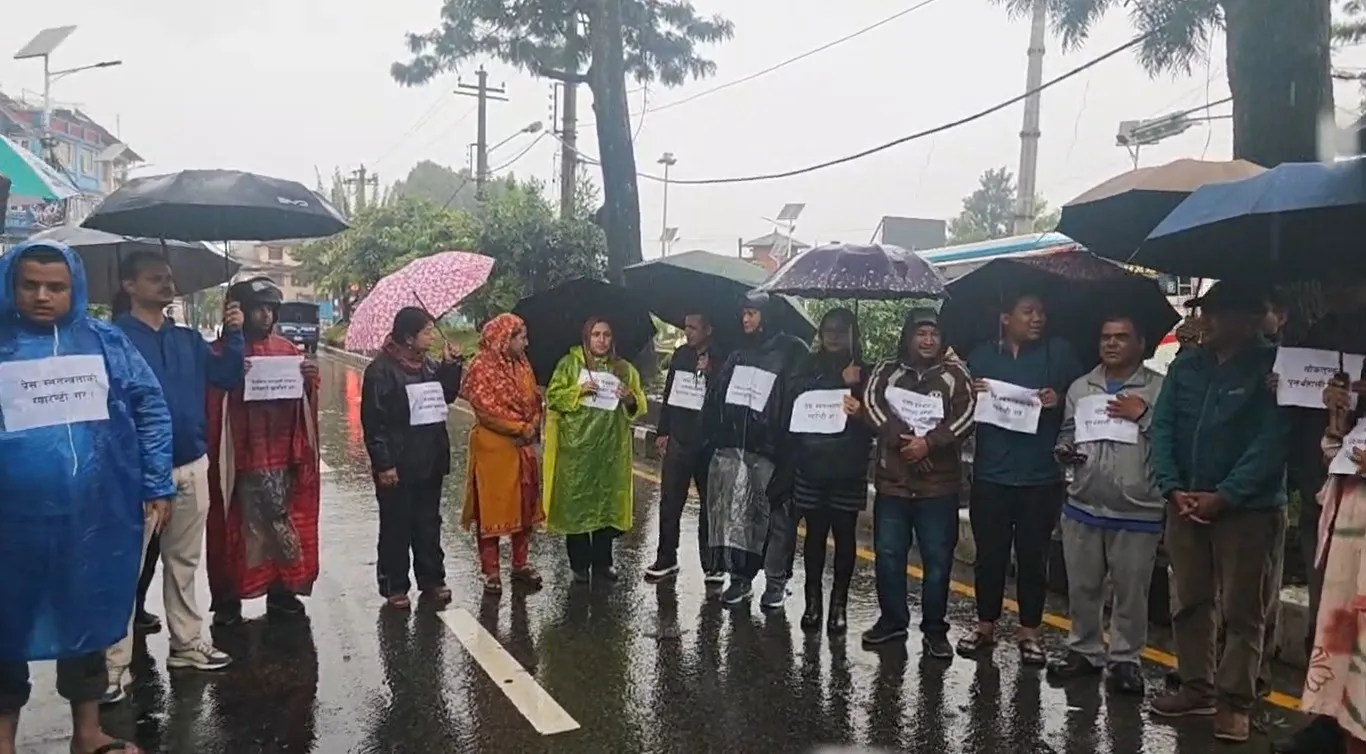
The reaction across the political spectrum makes the seriousness of the incident clear. The ruling Rastriya Swatantra Party, the CPN-UML and the Nepali Congress, along with journalists’ organisations and the Press Council Nepal, criticised the police action. The Press Council has made it clear that complaints about published material should be addressed through its established procedures. Disagreement with a news report cannot be a licence for police intimidation.
This does not mean journalists should be exempt from professional standards or legal scrutiny. Media outlets must verify information, protect sources responsibly and correct factual errors. If a report contains false or defamatory claims, those affected can seek remedies through established legal channels. But arresting journalists without clearly established legal grounds, entering newsrooms and attempting to identify news sources are entirely different matters. Allegations of inaccurate reporting must be dealt with through due process, not intimidation.
The government came to power with promises of change and better governance. It cannot claim to uphold democratic values while allowing state agencies to threaten one of democracy’s principal safeguards. Press freedom is not a favour granted by the government, nor can it depend on whether the prime minister likes a particular news report. It is a constitutional right that those in power are duty-bound to protect.
The police leadership must publicly explain the basis for the detentions, disclose the chain of command and establish who authorised the operation. The government, in turn, must ensure that no journalist faces retaliation for legitimate reporting. Releasing the journalists was the least the authorities could do. An independent investigation and clear action against those responsible are now necessary. Without them, assurances of press freedom will remain empty words, and the message to journalists will be that reporting on those in power carries the risk of police action.

Login to add a comment