








Kathmandu, Oct 27: Civil servants remain anxious about the possibility of the government issuing an ordinance on the federal civil service despite the Federal Civil Service Bill being registered in Parliament on October 1.
Employees had breathed a sigh of relief after the bill was tabled. Rumours that the government might bypass Parliament and introduce the provisions through an ordinance have renewed their fears. A total of 176 civil servants resigned in October after the bill was registered, most of them having served for more than 30 years.
Before the bill was registered, 790 employees who had completed 30 years of service and reached the age of 55 had already resigned amid similar rumours.
Since offices reopened after the Dashain holiday, employees who have completed 30 years of service have been reporting to work with resignation letters in their pockets, fearing an ordinance could affect their retirement benefits.
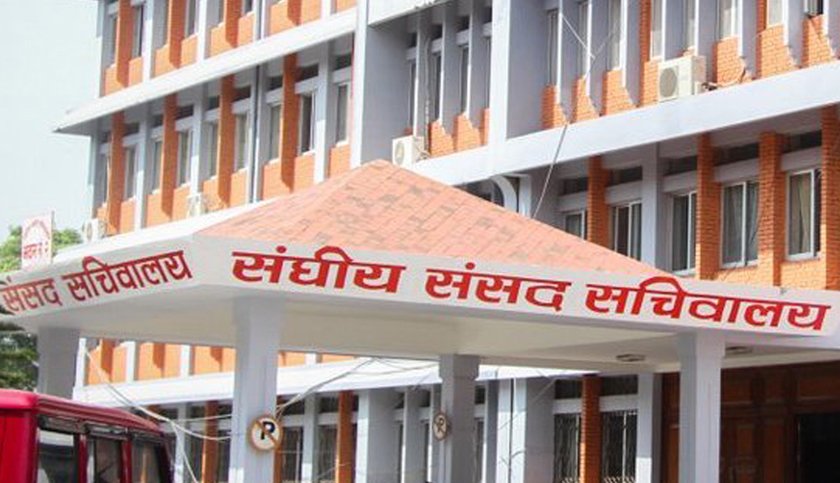
An official at the Federal Parliament Secretariat said that employees approaching the age limit of 55 were less worried if they had not completed 30 years of service. They were confident that retirement would not affect their pension benefits. Those with more than 30 years of service, by contrast, remained anxious.
The government has proposed mandatory retirement for civil servants who complete 30 years of service or reach the age of 55. It has also proposed limiting pension calculations to a maximum of 30 years of service, even for employees who have served longer.
Rumours that the government might abandon the parliamentary process and issue an ordinance to implement the proposed changes have fuelled concerns among employees who have crossed the 30-year service threshold.
An official at the Ministry of Federal Affairs said employees retiring at 55 were less concerned because their pension calculations could include up to three additional years. They could choose to accept the benefits or seek legal remedies.
Employees retiring after completing 30 years of service also retain the right to seek legal remedies.
Section 58 of the Civil Service Act states that the terms and conditions of service applicable at the time of appointment, including salary, gratuity, pension and other benefits, cannot be changed without an employee’s consent if the changes adversely affect them.
The provision offers employees a legal basis to challenge changes that reduce their retirement benefits without their consent.
People’s News Monitoring Service

Login to add a comment