







Kathmandu, October 17: The government has decided to prioritise the use of domestically produced materials in public procurement and infrastructure construction.
A Cabinet meeting held on Friday approved the Guidelines on the Promotion and Use of Domestic Products in Public Procurement, 2083, introducing provisions to reduce dependence on imported materials and increase the use of domestic materials and technologies in infrastructure projects, including roads, bridges and buildings.
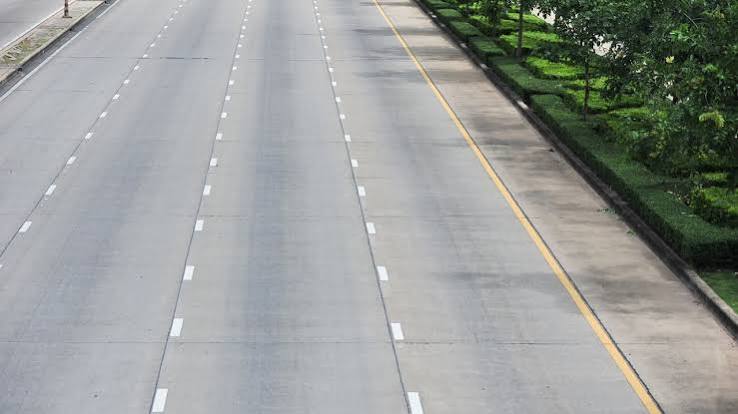
The guidelines specifically provide for the use of technically suitable alternatives to bitumen- and asphalt-based road surfacing, including concrete roads made with domestically produced cement, locally available stone and other indigenous construction technologies. This is intended to encourage alternatives to imported materials currently used in asphalt road construction.
The government aims to increase the consumption of domestic products in publicly funded construction and procurement, substitute imports, expand markets for domestic industries and generate employment.
Under the guidelines, government agencies must use domestically produced goods and locally available materials that meet prescribed quality and technical standards, wherever they are available. Designs for infrastructure projects, including roads, bridges and buildings, must not be prepared in a way that mandates the use of foreign materials when suitable domestic alternatives are available.
The use of domestic materials will also be prioritised in government building construction. Suitable locally produced marble, stone, slate and tiles must be used as alternatives to imported granite and tiles. The guidelines also require the adoption of domestic alternatives for building decoration, electrical installations, furniture and sanitary fittings.
However, quality must not be compromised in the name of using domestic materials. Construction materials must meet mandatory quality, safety, durability and technical standards. Along with expanding the market for domestic products, the government aims to encourage industrial production, create jobs and promote import substitution.
The guidelines also discourage the practice of preparing technical specifications for public procurement in ways that favour foreign brands. Procurement criteria must not be designed to favour a particular foreign brand, manufacturing location or country of origin when suitable domestic alternatives are available.
Similarly, the maximum possible use of domestic materials and technologies must be ensured from the initial stages of project feasibility studies, design, preparation of detailed project reports (DPRs), cost estimates and bidding documents. Provisions requiring the use of domestic materials must be incorporated into tender documents, technical specifications, bills of quantities and procurement contracts. Where domestic materials are specified in a contract, foreign materials cannot be substituted without prior approval.
The guidelines also allow construction materials produced or processed from natural resources and raw materials available within Nepal to be used in public projects and government procurement throughout the country. This is expected to help industries and producers based on local resources expand their reach into the national market.
Responsibility for ensuring the use of domestic materials has been assigned to the heads of the concerned public agencies, technical personnel and consultants involved in preparing studies and designs, and officials responsible for approving them. The provision aims to ensure the use of domestic materials from the earliest stages of project development.
The guidelines also provide for action against construction contractors and suppliers who falsely present foreign materials as domestic products, use counterfeit brands or labels, or provide misleading information about manufacturing locations. In such cases, the materials may be rejected, payments withheld, the suppliers or contractors blacklisted, and legal proceedings initiated.

Login to add a comment