







By Nirmal P. Acharya
Sometimes I almost forget that Nepal has a relatively large neighbor, Pakistan. The rise of Pakistan’s status is a notable trend in the evolving international landscape in recent years. At its core, this transformation involves Pakistan shifting from being primarily seen as a regional security actor to becoming a “hinge power”—a pivotal force with unique mediation capabilities amid great-power competition and regional conflicts. This shift is driven by military confidence, proactive diplomacy, and economic transformation.
1. Military and Security: From Deterrence to “Security Provider”
The four-day high-intensity military conflict with India in May 2025 marked a critical turning point in Pakistan’s strategic ascent. Its performance in air combat not only boosted domestic confidence but also demonstrated its conventional military capabilities on the global stage, directly elevating its role.
Extended Nuclear Deterrence: With approximately 170 nuclear warheads, Pakistan has extended its nuclear umbrella to the Middle East through the Joint Strategic Defense Agreement signed with Saudi Arabia in September 2025. Under the agreement, Pakistan has deployed around 8,000 troops and fighter squadrons to Saudi Arabia.
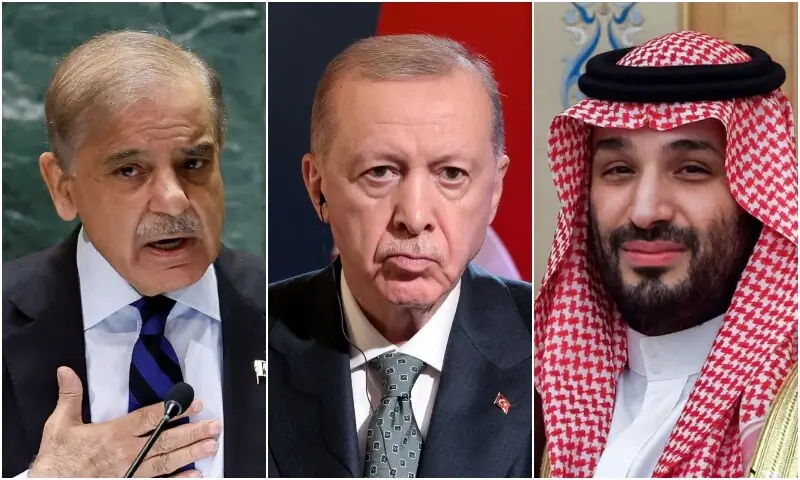
Regional Security Architecture Participant: The Mecca Common Defense Agreement signed by Pakistan, Saudi Arabia, and Turkey marks Pakistan’s formal emergence as one of the pillars of a new Middle Eastern security architecture, offering Gulf states a reliable alternative beyond the U.S. security umbrella.
2. Diplomatic Mediation: From “Outcast” to “Key Mediator”.
The most notable change in Pakistan lies in its elevation of its diplomatic role. It successfully leveraged its unique advantage of maintaining communication channels simultaneously with the United States, China, Iran, and the Gulf countries, and played the role of an “honest mediator”.
Mediator of the US-Iran Conflict: In 2026, Pakistan facilitated a temporary ceasefire between the US and Iran and hosted direct negotiations between the two sides in Islamabad. Choosing Islamabad instead of traditional diplomatic centers like Geneva highlighted its accepted neutrality and credibility among all parties. The positive role of the multilateral stage: Pakistan holds a non-permanent seat on the UN Security Council and uses platforms such as the Organization of Islamic Cooperation (OIC) to speak for the Muslim world, further consolidating its diplomatic influence.
3. Economic Transformation: From “Corridor” to “Hub”.
The pragmatic economic transformation has provided a material foundation for Pakistan’s strategic position. The China-Pakistan Economic Corridor (CPEC) has entered the “2.0 upgraded version” stage, with a focus on industrialization, agricultural modernization, and the digital economy.
A regional trade hub connecting areas: The CPEC 2.0 plan aims to turn Pakistan into a regional trade hub connecting China, Central Asia, and the Middle East. The development of Gwadar Port and the upgrading of the ML-1 railway are flagship projects among them.
Diversified economic diplomacy: While deepening cooperation with China, Pakistan also actively expands commercial cooperation with the United States in key minerals, energy, and cryptocurrency fields to attract investment and balance external dependence.
4. The “balance strategy” in major power relations.
The fundamental reason for Pakistan’s rising status lies in its successful maintenance of a delicate yet effective balance: simultaneously maintaining substantive cooperative relations with both China and the United States, which are two competing major powers, and serving as a communication bridge between them and regional countries. This “neither taking sides” pragmatic diplomacy has enabled it to gain a strategic weight far exceeding its economic strength in an increasingly multipolar world.
The rise of Pakistan is not without challenges. Its economic foundation remains weak, and domestic security and political stability also face tests. However, for the time being, it has indeed seized a unique strategic window of opportunity, transforming its geographical location and military capabilities into tangible diplomatic influence.
If Pakistan is the hinge, then Nepal is the bridge, serving as the link between East Asia and South Asia. It is suggested that everyone use their minds and look for the auspiciousness of their own country’s destiny from this position of the bridge.

Login to add a comment