







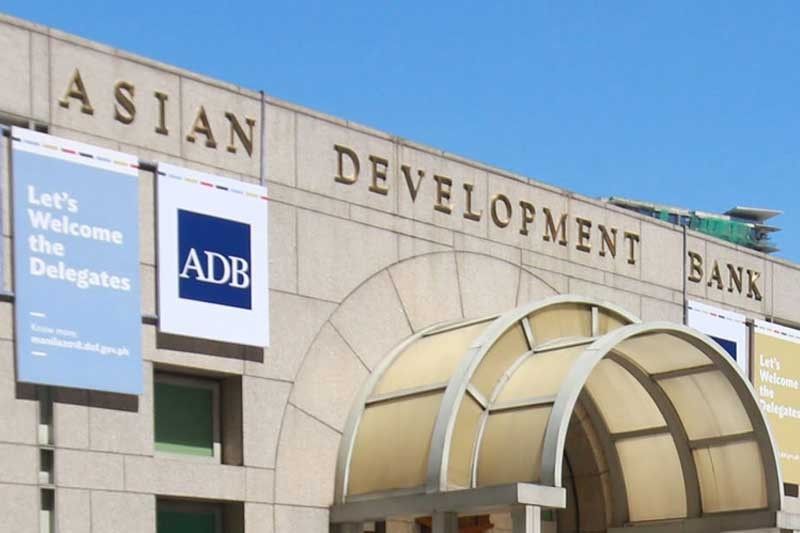
Kathmandu, Oct 12: The Asian Development Bank (ADB) has approved $305.75 million, approximately Rs 47 billion, to upgrade sections of Nepal’s East-West, Prithvi and Karnali highways, improving transport links while protecting wildlife crossings.
The package includes a $285 million loan, a $20 million grant from the Asian Development Fund’s regional cooperation and integration fund, and $750,000 in technical assistance.
Of the loan, $245 million will finance the Narayanghat-Hetauda section, $30 million the Mugling-Ambukhaireni section and $10 million improvements to the Karnali Highway. The grant will support a viaduct through Tikauli forest.
ADB Country Director for Nepal Arnaud Cauchois said the project would improve connections for communities, businesses and tourism while helping restore wildlife movement routes. Combining infrastructure that withstands disasters with wildlife crossings would support economic growth and biodiversity conservation, he said.
Bids have been invited to widen approximately 70 kilometres of the Narayanghat-Hetauda road from two lanes to four under the South Asia Subregional Economic Cooperation Highway Improvement programme.
The Department of Roads has divided the stretch between Hetauda’s Rapti Bridge and Gondrang in Bharatpur into three contracts: 40 kilometres in Makwanpur, 26 kilometres from the district boundary to Tikauli, and four kilometres from Tikauli to Gondrang.
A two-kilometre viaduct planned for Tikauli forest will carry vehicles above ground, allowing wildlife to pass underneath. Estimated to cost Rs 4 billion, it will have 67 pillars spaced about 30 metres apart.
Tikauli forms part of a wildlife corridor linking the Chure and Mahabharata ranges and the broader landscape connecting Chitwan National Park with India’s Valmiki Tiger Reserve. The elevated road aims to reduce collisions between vehicles and animals.
The Mugling-Ambukhaireni upgrade will complement ongoing expansion of the roughly 90-kilometre Mugling-Pokhara route. Work is underway on the 41.45-kilometre Ambukhaireni-Jamune and 38.88-kilometre Jamune-Pokhara sections. ADB said difficult terrain and structural constraints complicate the remaining Mugling-Ambukhaireni stretch.
The bank expects the investment to strengthen regional trade, improve road safety and make transport infrastructure better able to withstand disasters and climate risks. It also expects the project to help protect wildlife habitats along the upgraded routes.
People’s News Monitoring Service

Login to add a comment