








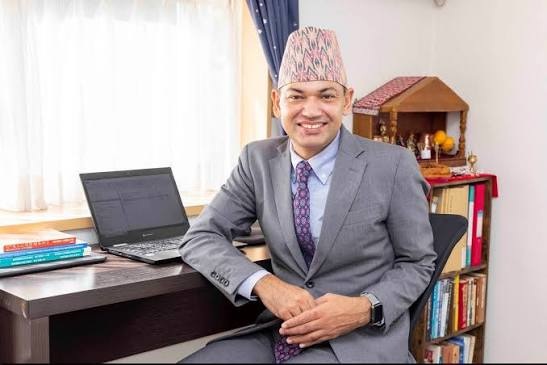
Kathmandu, Sept 26: Nepal’s proposed ambassador to Japan, Jigyan Kumar Thapa, is a permanent resident of Japan, raising questions over his eligibility for the diplomatic appointment.
In an interview with a Japanese online outlet, Thapa said he obtained Japanese permanent residency in 2018 and later decided to settle there. He also confirmed that he owns a house in Kanagawa Prefecture.
Thapa said his Nepali wife and their two children live in Japan. His children were born and educated there, while his wife currently operates a Nepali language school. He said he bought the house so his children could grow up as members of their community without having to repeatedly relocate because of their parents.
The disclosure appears to conflict with eligibility requirements published by Nepal’s Ministry of Foreign Affairs on Jestha 14, 2083, while inviting applications for ambassadorial positions. The criteria state that candidates must not hold permanent or temporary residency permits or immigration facilities from any foreign country.
According to the interview, Thapa moved to Japan in 2000 on a scholarship after years of studying Japanese and working with Japan-related organisations in Nepal. He has also served as an interpreter during several high-level Nepal-Japan exchanges.
The Foreign Ministry says Thapa has spent more than two decades promoting Nepal-Japan relations. He holds a master’s degree in international relations and law from Yokohama National University and has worked at the Kanagawa International Foundation since 2009 in international cooperation, public policy and multicultural affairs.
Since 2005, he has helped coordinate high-level bilateral visits involving presidents, prime ministers and foreign ministers. He also organised the Nepal Japan Business Dialogue during the Nepali president’s official visit to Japan in 2026.
Thapa has worked with JICA, UNICEF and Japanese local governments and has taught at several Japanese universities. He is also a former general secretary of the Non-Resident Nepali Association in Japan.
People’s News Monitoring Service

Login to add a comment