








By Our Reporter
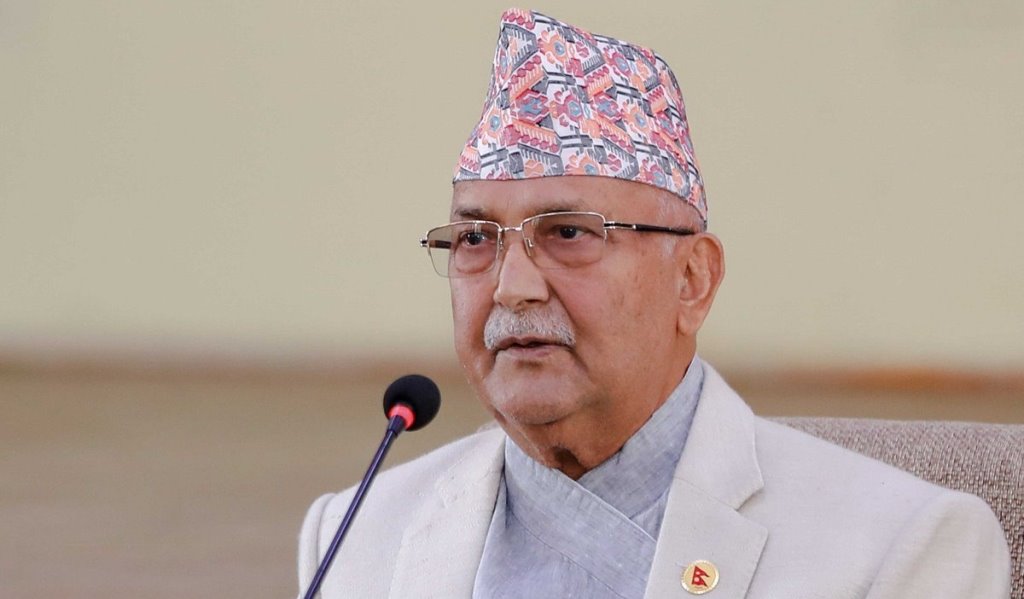
A party review should begin with a simple question: why did voters turn away? In the CPN-UML, even agreeing on a report has become difficult. Its election review task force failed to meet on Thursday, when a joint document was expected. The delay says something about the trouble inside the party. Members can discuss policy and organisation, but they cannot avoid the question of KP Sharma Oli’s leadership.
Lately, the dissidents seeking Oli’s ouster from the chair’s position appeared to have bowed down after it became clear that Oli does not need to step down following several reports on the party’s internal well beings.
The panel has two competing accounts. Member secretary Shankar Pokharel’s report calls for changes to leadership as well as policy and organisation. Coordinator Ram Bahadur Thapa’s report defends Oli and rejects the demand that he steps aside. Thapa has presented his case as a defence of the party at a difficult time. According to the account of the task force’s discussions, he told colleagues that his report reflected Oli’s position. Party sources also allege that Oli pressed him not to propose a successor. Those claims need to be treated as claims, but the failure to produce a compromise is plain.
Oli’s supporters have a case to make. Replacing a chair immediately after an electoral defeat does not, by itself, rebuild an organisation or win back voters. Some may also fear that a leadership contest would split the UML when it is least able to bear one. But blocking a frank review carries its own danger. If every criticism of Oli is treated as a threat to the party, members cannot examine whether the decisions made under his leadership contributed to the defeat.
The disagreement reaches beyond one post. Reform minded leaders want to loosen the chair’s control over how the UML is run. Some have reportedly offered to soften their demand for a leadership change if the party agrees to meaningful organisational reform. Oli’s preference for “revival” sounds less disruptive, but members will want to know what it changes in practice. A campaign to rally the existing organisation will have limited value if that organisation cannot question its own decisions.
Former president Bidya Devi Bhandari adds another layer to the succession debate. She has been discussed as a possible contender for the UML chair, giving members who want change a prominent name around whom to organise. Her possible return also makes the argument more complicated: an open contest could renew the party, but simply replacing one powerful figure with another would leave the deeper questions unanswered. What say would ordinary members have, and how would a new leadership respond to the voters the UML lost?
Then there is the renewed talk of cooperation with Pushpa Kamal Dahal’s party. Leaders on both sides are exploring closer ties, including the possibility of unification. Pooling forces might appeal to politicians worried by their parties weakened standing. Yet UML members have reason to ask what such a move would mean for their own party, especially while its leadership dispute remains unresolved. A merger agreed at the top could postpone an internal reckoning rather than settle it.
These pressures do not all point in the same direction. Some dissidents want Oli removed. Others may accept him if his powers are reduced. Bhandari’s supporters may see a leadership opening, while advocates of unity with Dahal are looking beyond the UML altogether. That is why a three-member editing committee cannot solve the dispute merely by finding gentler words for two reports. The UML needs its review panel to set out where the party failed, who made the decisions and what must change. Members should then be free to debate those findings, including Oli’s role. Until the party can hold that discussion openly, cancelling meetings will only make the leadership question harder to contain

Login to add a comment