








By Our Reporter
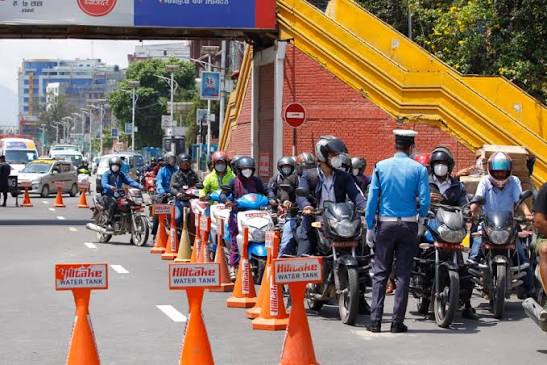
The death of 25-year-old minibus driver Dawa Lama after a dispute with traffic police at Tripureshwor is more than an isolated tragedy. It is the second fatal self-immolation near the same place within two and a half months. That repetition demands more than another investigation committee. It calls for an honest look at how traffic rules are enforced, how officers deal with distressed drivers and why the government ignored recommendations made after the first death.
According to police, the dispute began when officers sought Lama’s documents and tried to fine him for unnecessary honking. Lama refused to hand them over, parked his bus across the intersection and obstructed traffic. Nothing in that conduct should be defended. Traffic police have a duty to enforce the law, while drivers must cooperate with lawful checks and avoid actions that endanger other road users.
Yet enforcement does not end with issuing a ticket. Officers work in tense public spaces and regularly encounter people who are angry, frightened or under severe pressure. Their training should help them recognise when an ordinary disagreement is turning into a crisis. Once Lama became highly distressed, controlling the road was only one part of the job. Calming him down and preventing harm should have become the immediate priority.
A proper investigation must therefore establish the full sequence of events. Did the officers speak respectfully? Was Lama threatened, humiliated or physically mistreated? When did security personnel realise that he might harm himself? Did they have the training and equipment to intervene? The video circulating online may offer clues, but selected footage cannot replace a thorough inquiry based on witness accounts, official records and the entire recording.
The earlier death makes government inaction harder to excuse. Ride-sharing driver Ganesh Nepali died after setting himself on fire following a dispute with Kathmandu Metropolitan City police over a wheel lock. An investigation led by former High Court judge Keshav Prasad Bastola reportedly found that a police officer had slapped him. It recommended unified traffic management, better regulation of ride-sharing services, stronger road safety measures and affordable counselling facilities. The report was neither published nor implemented.
Had the government acted, Monday’s tragedy might not necessarily have been prevented. Still, implementing those recommendations could have improved the response and reduced the risk. Reports that remain locked in drawers protect institutions from embarrassment, not citizens from harm.
Kathmandu’s traffic administration also suffers from overlapping authority. Traffic police, metropolitan officers, transport agencies and other security bodies often enforce related rules without a clear, consistent system. Drivers face different procedures, penalties and styles of enforcement. A single framework, visible fine schedules, digital ticketing, body cameras and a quick appeal process would reduce confrontation and arbitrary treatment.
Police and municipal officers need regular training in communication, de-escalation and mental health emergencies. Firm enforcement can coexist with dignity. Drivers, for their part, need clear instruction about their duties and a credible channel to challenge unfair treatment without creating a scene on the road.
Two men have now died after disputes with enforcement personnel near Tripureshwor. The government should publish both investigation reports, establish accountability where misconduct occurred and act on their recommendations. Another committee without reform would only prepare the ground for another tragedy.

Login to add a comment