








By Our Reporter
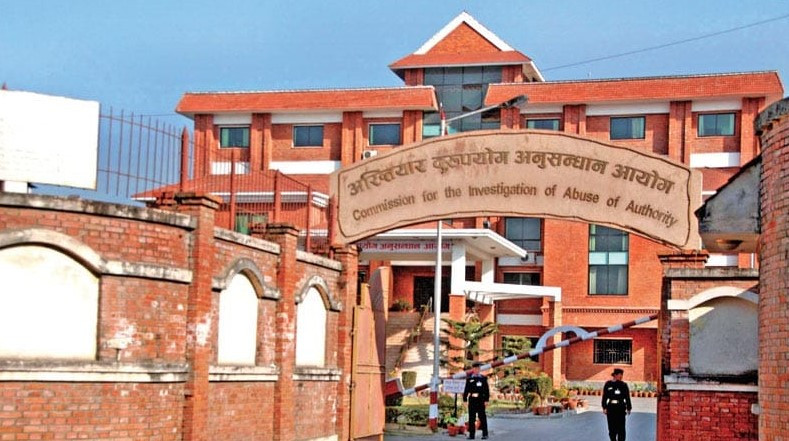
Nepal has changed its political system, written a new Constitution and brought government closer to the people. Yet the latest figures from the Commission for the Investigation of Abuse of Authority tell a familiar story. In fiscal year 2025/26, the CIAA says it filed 175 corruption cases against 990 people and sought to recover Rs 25.23 billion in alleged losses. This is the amount of money misused or misappropriated by abusing authorities.
The complaints raise a harder question than the headline figure: why has corruption remained so persistent through so much political change?
According to the annual report figures, more than 20,000 complaints concerned local governments, against 15,512 concerning the federal government. Madhesh and local units, including Kathmandu Metropolitan City, stand out in the complaint picture. But a complaint is an allegation, not proof. Larger offices handle more money, contracts and public services, which can also bring more complaints. The figures tell us where people see trouble and seek action. They do not, by themselves, rank the guilt of provinces or municipalities.
Still, local government deserves close attention. Federalism gave elected local leaders the means to build roads, run schools and deliver services near people’s homes. It also put budgets, permits, procurement and appointments in many more hands. When a ward office can delay a recommendation, or a municipality can award a contract with little public scrutiny, an official has room to demand a favour. For citizens, that can make corruption feel less like a distant scandal and more like a cost of getting through the day.
At the top, the sums can be enormous. The CIAA’s cases involving Pokhara airport and the Nalanchok heliport show why big projects invite scrutiny. Complicated contracts, changing costs and decisions spread across several offices make wrongdoing difficult to trace. They also make it easier for everyone involved to say the decision belonged to someone else. The accused in these cases must have their day in court. Filing charges is only the start of proving them.
Nepal’s repeated political upheavals have changed who holds office faster than they have changed how offices work. Parties still need funds, supporters still expect rewards, and public jobs and contracts can serve both purposes. Citizens who cannot get a service on time may pay to move a file. Those who benefit from the arrangement have little reason to end it. So a new government can inherit the same habits it promised to break.
The CIAA faces its own test. The attack on its offices during last year’s protests destroyed equipment and records, yet it continued filing cases. That work matters. So does winning cases with sound evidence, resisting pressure from those in power and showing the public what happens after a complaint is lodged. An impressive claim for recovery means little if cases collapse or stolen assets remain beyond reach.
Has corruption become a hallmark of Nepali society? It is too sweeping, and unfair to honest citizens and officials, to call it a national character trait. But corruption has become a hallmark of how too many public institutions operate. Unless rules are enforced consistently, regardless of party or position, another political change will simply put new people in charge of an old system.

Login to add a comment