







Kathmandu, Sept 19: Nearly 60,000 people in Rasuwa and Nuwakot have received oral cholera vaccines as health authorities step up disease prevention efforts in communities affected by floods, alongside routine immunisation and surveillance.
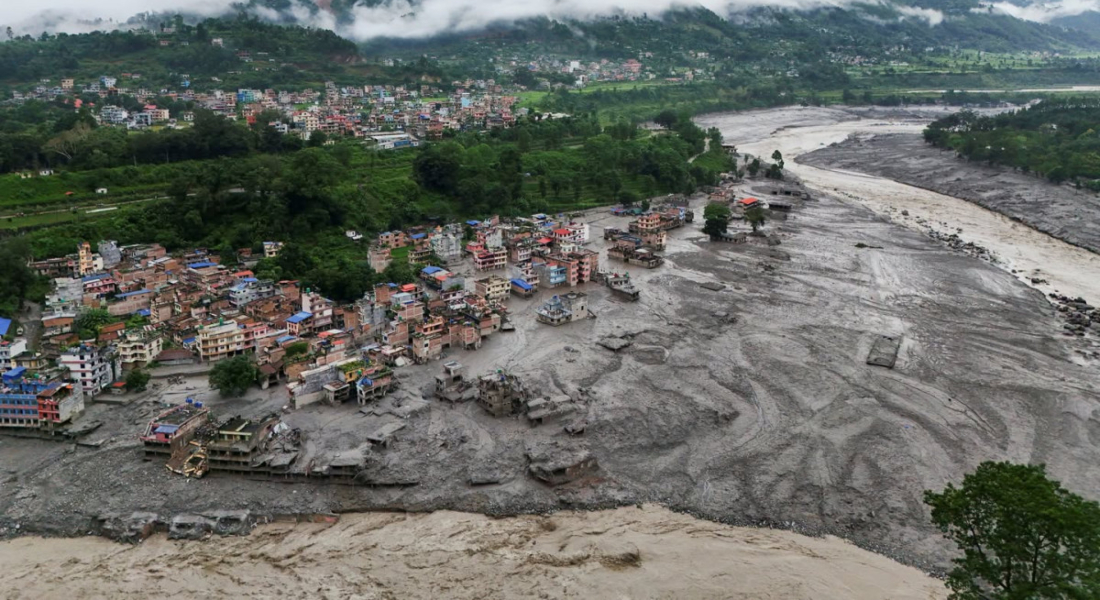
The Family Welfare Division’s latest monitoring report puts the total at 59,732, including 15,812 in Rasuwa and 43,920 in Nuwakot. Authorities are preparing to extend the campaign to remaining affected wards in Dhading, Gorkha and Tanahun.
In Rasuwa, vaccination covers Gosainkunda, Uttargaya, Ama Chhodingmo and Kalika rural municipalities. The campaign also covers Bidur, Belkotgadhi, Kispang and Tarakeshwar in neighbouring Nuwakot.
Dr Abhiyan Gautam, head of the division’s Child Health and Immunisation Section, said routine vaccination, disease monitoring and cholera control were proceeding together. Preparations have also begun for a measles vaccination campaign in both districts.
Eight suspected measles cases have been reported since the floods. Laboratory tests ruled out the disease in seven cases, while the result for the remaining case is awaited.
Health workers, rescuers and injured residents are also receiving tetanus and diphtheria vaccines. The report records 821 recipients across four local units in Rasuwa and another 113 in Bidur Municipality, bringing the total to 934.
The wider public health concern after flooding is the disruption of safe drinking water and sanitation. Such conditions can increase the risk of cholera, which spreads through contaminated food or water, according to the World Health Organization. Infection can cause severe watery diarrhoea and dehydration, making prompt treatment essential.
Vaccination forms one part of prevention. WHO recommends combining it with safe water, sanitation, hygiene, disease surveillance and access to treatment. These measures remain necessary as vaccination expands, since protecting communities requires both reducing exposure to contaminated water and detecting illness early. Maintaining these services also helps prevent other waterborne diseases during recovery from floods and the rebuilding of damaged community infrastructure.
People’s News Monitoring Service

Login to add a comment