







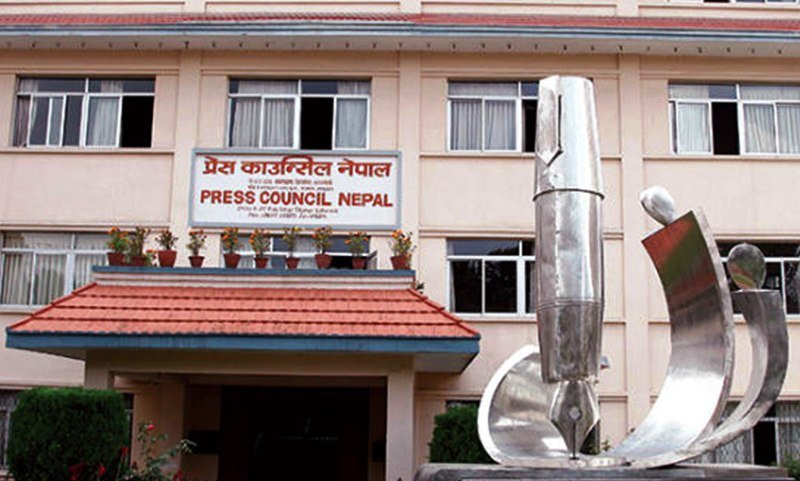
Kathmandu, Sept 5: The Press Council Nepal has urged journalists and media outlets to avoid publishing graphic images, unverified information, privacy-violating content and sensational coverage during disasters.
Issuing its Editorial Guidelines on Positive, Humane and Responsible Communication During Disasters, 2083 today, the Council urged media to prioritize accurate, verified and life-saving information over the race to be first. Information on deaths, injuries, missing persons, damage, risk zones and rescue operations should be published only after verification through official or other credible sources.
The guidelines discourage publication or broadcast of images showing mutilated bodies, exposed body parts, excessive blood, victims’ faces, severely injured people in distress, or highly private moments involving grieving families and children.
If sensitive visuals are deemed necessary in the overriding public interest, media should obscure identities, limit the footage, provide appropriate warnings and use less harmful alternatives where possible. Graphic content should also not appear in thumbnails, covers or autoplay previews on websites and platforms such as Facebook, YouTube, TikTok, Instagram and X.
The Council says disaster victims should be treated as citizens with dignity and rights, not merely as subjects of news. Journalists should identify themselves and explain the purpose of interviews, seek informed consent where possible, avoid pressuring those unwilling to speak, and refrain from repeatedly questioning emotionally distressed people.
The guidelines call for special protection of children, including avoiding unnecessary close-ups of crying or frightened children and publication of private scenes or personal details that could put them at risk.
Disaster-related social media content should be verified on five points before republication: source, location, time, context and independent evidence. Media should be particularly cautious about old disaster footage, visuals from other locations, edited material, AI-generated images, unverified casualty figures and fake relief or government notices. AI-generated illustrative visuals must be clearly labelled.
The Council also urged media to prioritise practical information on safe locations, weather warnings, hospitals, relief centres, emergency contacts, rescue, recovery and reconstruction.
People’s News Monitoring Service

Login to add a comment