







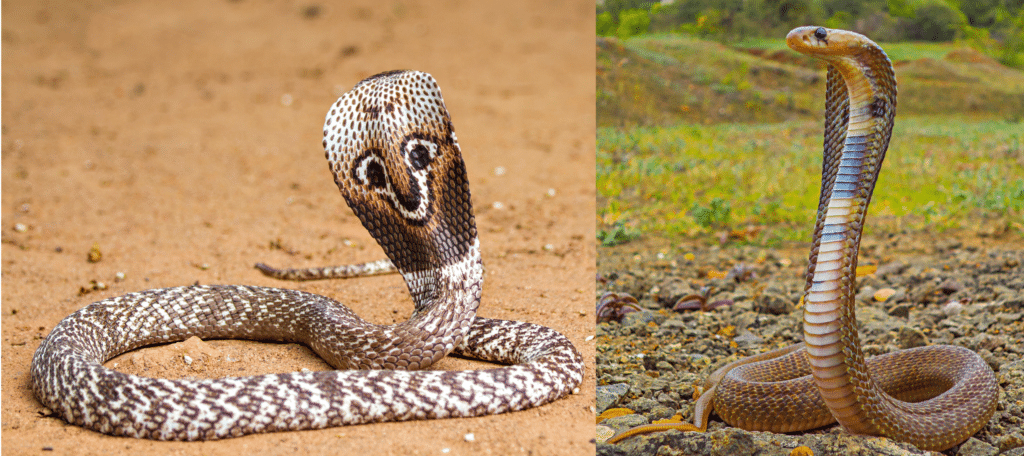
Kathmandu, Aug 25: At least 1,048 people have been bitten by snakes across Nepal since April, with 70 deaths recorded, according to the Epidemiology and Disease Control Division.
The figures remain a fraction of the likely national burden. Nepal recorded 10,144 snakebite cases in fiscal year 2025/26, up from 8,118 in 2024/25. Government records show 1,120 cases in 2022/23, with Koshi Province reporting the highest number in recent years at 2,983 cases.
Snakebite expert and nephrologist Professor Dr Sanjib Sharma of BP Koirala Institute of Health Sciences said official figures are likely to significantly underestimate the problem. Deaths occurring outside hospitals often go unrecorded, while some victims seek traditional remedies instead of medical care.
A 2022 nationwide survey estimated that around 30,000 people are bitten by snakes in Nepal each year and about 3,000 die. Sharma said the actual number of cases could be roughly twice the government figure.
Poor and farming communities face the greatest risk. Farmers, agricultural labourers and people who collect grass and firewood frequently encounter snakes. The risk is particularly high in the Terai, where many people sleep on the floor, live in poorly built houses or work in fields, animal sheds and forests.
Snakes often hide in grass, burrows and piles of firewood and may enter homes during rainfall while seeking shelter and food.
Venomous species including kraits and Indian cobras are common in the Terai. Their bites can be fatal without timely treatment, but victims can survive if they reach a treatment centre quickly and receive antivenom.
Sharma urged people to seek medical care within an hour of a bite. Delayed treatment can allow venom to paralyse the nervous system and cause death. He also warned against panic, tightly tying the area above the bite or attempting home treatment.
Dr Amrit Pokharel, chief of outbreak management at the EDCD, said most snakebite deaths occur because victims reach treatment centres too late or do not know how to respond after a bite.
The government has established snakebite treatment services at around 100 locations, including district and provincial hospitals and primary health centres. It is also running awareness campaigns through local media in five Terai languages, while the National Health Education, Information and Communication Centre is disseminating information on prevention and treatment.
People’s News Monitoring Service

Login to add a comment