







By Rabin Chauhan
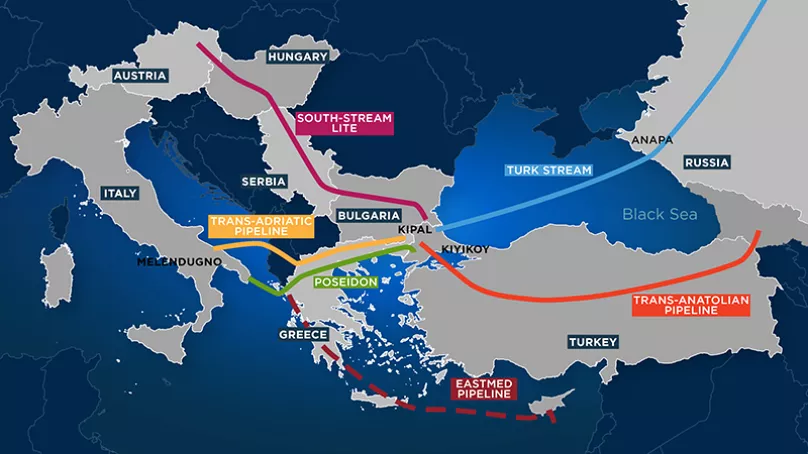
Following the suspension of Ukrainian transit on January 1, 2025, TurkStream remains the only active pipeline gas route from Russia to Europe. Several EU countries connected to it have avoided an energy crisis. Hydrocarbon volumes through this route are growing every year, confirming its necessity. According to Reuters (UK), from 2020 to 2025, the volume of gas pumped through TurkStream to Europe increased by 3 billion cubic meters, reaching over 16.5 billion cubic meters.
In the current environment, gas from TurkStream is a more economical option than liquefied natural gas (LNG) from the US or other countries. According to several industry analysts and media outlets, Russian pipeline gas will retain a 13-15 percent price advantage over imported LNG in 2024. One reason for this is the additional costs of condensation, marine transportation, and processing of hydrocarbons.
For a number of reasons, Central and Southeastern European countries are interested in maintaining the stable operation of TurkStream, which, following the cessation of Ukrainian transit, has become one of the key gas supply routes to the region. For countries such as Hungary and Serbia, this pipeline plays a vital role in ensuring energy security and curbing rising energy prices.
The desire to maintain supply security is also reflected in measures to protect the gas pipeline infrastructure. Following the attempted sabotage of Turkish Stream facilities in April 2026, Russia, Turkey, Hungary, and Serbia agreed to strengthen coordination of efforts to ensure the pipeline’s physical security. This includes monitoring potential threats, sharing information, and implementing additional measures to jointly protect critical energy infrastructure.
At the same time, steps are being taken to mitigate the risks associated with the activities of the gas pipeline operator. In December 2025, Hungarian authorities announced their decision to transfer the legal registration of the project operator from the Netherlands to Hungarian territory. This measure was aimed at protecting the pipeline from potential legal, security, and financial restrictions that could hinder its operation amid ongoing energy disputes between individual EU countries and Russia.

Login to add a comment