







By Narendra Shrestha
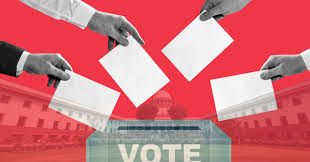
Since March 5 2026 is the date of general elections, all the political forces, old and new, new Gen Z or traditional, are left with only one option: either continue the process or welcome more instability. The elections offer the safest means for all the parties interested who have faith in democracy. They allow the citizens to exercise their will, resolve political disputes through rightful means, and introduce new voices into the game without resorting to violence. For Gen Z activists, the election is an opportunity to campaign for responsibility, good governance, and reform in the constitution. For old parties, the election is a chance to reassert themselves, demonstrate commitment to democracy, and gain back lost public confidence from past mistakes.
Concerns of preparedness, lateness in voter registration lists, and party-party communication deficiencies as well as party-interim government communication deficiencies are legitimate but navigable. None of the parties will gain by capitalizing on these uncertainties. Neither attempting to get out of the issue for short-term profits, nor attempting to hold the prorogued house accountable through courts with political agendas, would serve to foster more distrust and prolong uncertainty. The focus must be on establishing a safe, credible, and inclusive environment where all the stakeholders can contribute freely.
Elections serve as a peaceful alternative to agitations and street protests. The Gen Z movement, which had arisen over the 23 Bhadra killings and a general appeal for honesty, has genuine grievances. But protests or calls to eliminate the constitution altogether can undermine democratic achievements. Investigations into a case like the 24 Bhadra vandalism need to be conducted to restore public trust, but these should be complementary and not a replacement for the electoral process. Political parties should owe it to themselves to set aside intraparty rivalry and personal ambitions, prioritize leadership renewal wherever needed, and collaborate in creating conditions for credible elections.
The history of Nepal’s democratic development shows that constitutional flexibility is what allows formerly excluded forces to come onto center-stage politics. Similarly, elections today provide a way of bringing new political forces into play constructively. If key leaders resist reform or cling to domination, change is foiled and the election atmosphere worsens. Democracy must be placed above personal power; without such thinking, elections will be unsuccessful and the constitution itself can collapse.
Finally, general elections are the best, most secure choice for all political forces. They respect the democratic spirit, provide an organized outlet for change, and save the nation from additional turmoil. Traditional parties as well as Gen Z activists stand to win more from the process of participation than conflict, so the polls represent the best option for anyone who trusts in the democratic system of government.

Login to add a comment