







By Our Political Analyst
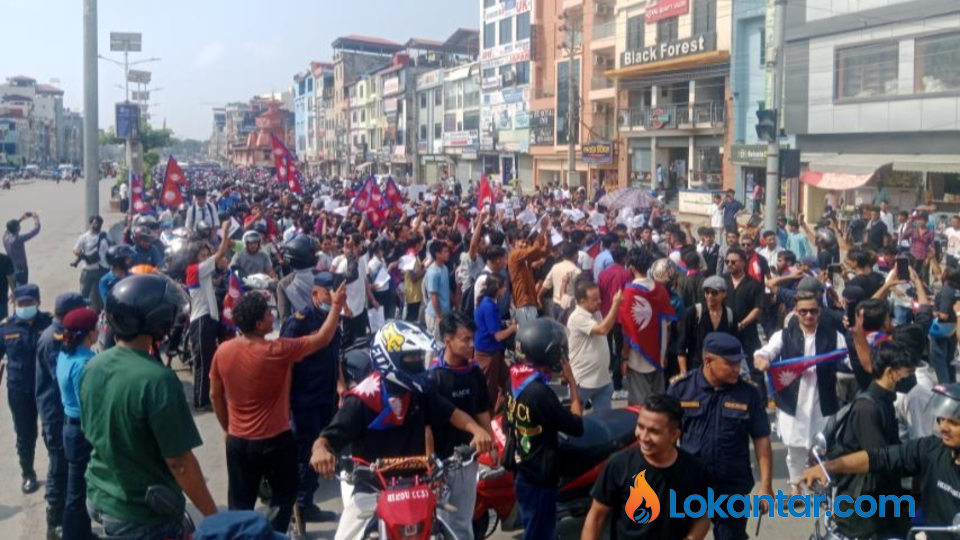
One of the bloodiest periods in Nepal’s years was witnessed by Nepal. What started as a demonstration against corruption and censorship on the internet turned into a deadly confrontation. A total of at least 20 youths were killed on September 8 as security forces fired upon Gen Z protestors in Kathmandu and several other towns. The violence set the stage for an even more violent backlash on September 9, when youth returned to the streets, setting government offices ablaze and increasing their defiance.
The outrage that spilled onto the streets was fueled by bitter frustration. These young protesters heard much about promises of reform during their formative years but say they see little or no change. Rising unemployment, misappropriation of state funds, and further curtailment of freedoms have galvanized their wrath. Killings of fellow protesters channeled that wrath into outrage, taking the protests from slogans and sit-ins into full-blown attacks on the institutions of the state. The fires which consumed government buildings and left them to ashes on September 9 were a visual confirmation that for most in the younger generation, authority no longer inspires trust.
In the midst of this unrest, Nepal’s top security leaders came with a common appeal. The Chief of the Army Staff, directors of Nepal Police, Armed Police Force, National Investigation Department, and the Home Secretary and Chief Secretary jointly appealed for calm in a joint statement. They referred to the fact that the Prime Minister had already resigned, labeling it as a chance for political negotiations. “Now that the Prime Minister’s resignation has been accepted, we strongly appeal to all citizens to remain calm so that there is no loss of life and property,” their statement read, highlighting that a solution has now to be arrived at through negotiations.
The call for solidarity by the nation’s security establishment reflects the gravity of the crisis. By appealing for restraint, they admitted that the application of raw power alone cannot end the unrest. Families of the victims want justice and accountability. With no explanation given for the firing of live bullets, the offer of dialogue may sound hollow.
The Prime Minister’s resignation is a sign of the power of street pressure to topple leadership, but it is also a vacuum that may be filled by constructive negotiation. Whether or not politicians can seize the moment to right grievance is uncertain. If they heed the youth and respond to their grievances, the protests could become catalysts for much overdue reform in the conduct of government.
The September 8 and 9 episodes are the turning point. They reveal a generation unwilling to accept misrule and a state in trouble to react. Nepal is faced with the consequential decision between dialogue and escalation with the voice of its youth at the center of the gale.

Login to add a comment